Kissed by the sun and nestled against the San Jacinto mountains, La Quinta is known as a retirement and golf town. They abound in this area tucked away from the wind tunnel of the lower desert. Retirees from the end of the Greatest Generation and the leading edge of the Baby Boomers live in harmony here where for seven months of the year the dry desert and sculpted greens and fairways of the golf courses invite any and all to enjoy a temperate, dry climate where lows seldom reach freezing and the highs are in the 80’s and 90’s.


The annual PGA West golf tournament advertises to the world the wonders of this temperate climate, daring residents from the mid-west and Ohio region and even Canada to escape the winter snow and cold and come stay for a while.
Then the summer comes.
Unlike the rest of the year, in the summer residents and visitors go from one climate-controlled box to another jumping from air-conditioned homes to air-conditioned cars to air-conditioned restaurants, pausing occasionally to take a dip in a pool. With average daytime temperatures above one hundred degrees and the nights never cool down, even to eighty degrees, the dessert morphs into a quasi-ghost town. La Quinta has been making efforts to become a destination town. The vehicle for the transition and eventual path to local tax revenue is art. From the winter Coachella Music Festival to the city’s concentration on artists, sculpture, and community frescos (here in the US we call them murals.)
I stumbled upon La Quinta when a neighbor suggested I visit the old city center during a visit to nearby Indio. “It’s quaint and with the food and the people watching, it’s a nice place to visit.”
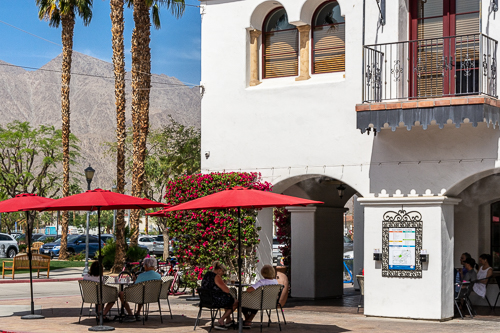
The downtown section of the town is small with a combination of an old town and newly built shopping and dining areas erected with redevelopment funds wisely focused on bringing in visitors. The city buildings follow a long-standing southwest architecture style that combines old Spanish style roofs and whitewashed walls with traditional flat roofs and thick walls found in the desert. The result is a pleasing mixture of new and old buildings that blend. It is not hard to distinguish the gentrified sections of the downtown, but the blend is pleasing to the eye, inviting as a shopping, and eating place.


There’s plenty of food. Mexican food, the staple of the southwest, is plentiful as are Italian and other eateries. We had lunch at El Ranchito Mexican Restaurant, a nice little place with a front and back patio for the evenings and the seven months of the year when the weather is pleasant. We were here in the middle of the week and watched as seniors from the surrounding 55+ communities filled the tables. The Nachos were great, we chose to add chicken and a Coke. The service was friendly and prompt without being overbearing.
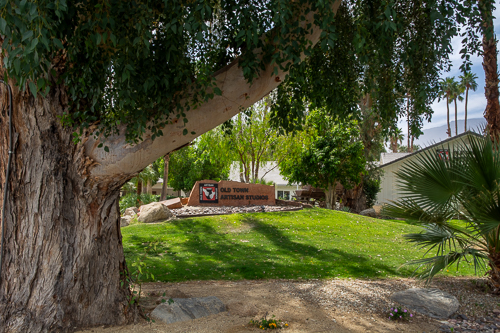
Whatever policies the city council has adopted have been successful in bringing in independent artists and sponsoring a spirit of artistic experimentation throughout the downtown area that includes art galleries, art education, and public art in the park near the city hall and senior/community center. The two buildings, along with the library, anchor a central park filled with public sculptures, cool grassy areas, and a pond surrounded by shade trees. They have done a great job creating a “stay awhile” atmosphere in the park. Don’t miss it.


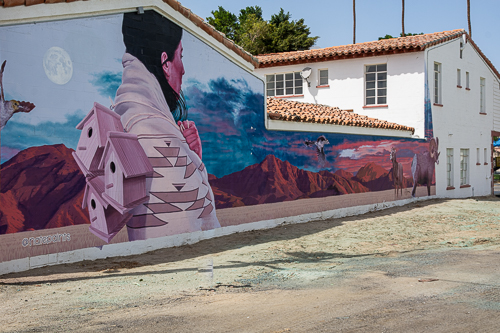
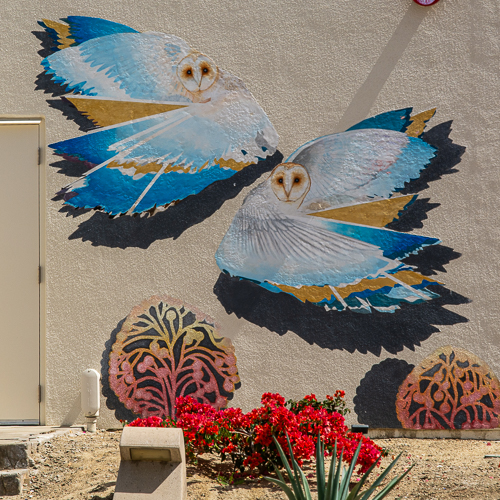
Adjacent buildings are showplaces for murals that celebrate the desert and its inhabitants, humans and others. Once restricted to the old world, the civic and community role of frescos adorns buildings throughout the area. The city of La Quinta and neighboring Indio have both embraced the value of public art and the community benefits. Perhaps, like medieval Italy and other parts of Europe, public murals will help build local community that transcends politics and gives citizens of these desert towns a sense of commonality.


Town Tuesdays is a new feature designed to expose off the beaten path towns in Southern California. Between Hollywood, Disneyland, world famous beaches, and all the college and professional sports teams, little towns don’t get the attention they deserve. The twenty million people who live within one hundred miles of downtown Los Angeles make a life in these towns that often merge into each other becoming indistinguishable from each other on the highways and freeways of the region. The core of these little towns offers a place to meet people and make a life.
 Talkin' about the past, photographing the present