If you are a film shooter you have extra decisions to make before going out to create something unique. Top of the list is whether to use black & white or color film. Your decision may be limited to local labs and their ability to develop black & white. Maybe you are limited to color because the lab only uses a c41 color machine. When I began developing black and white at home, I was warned against expanding my skills toward color development but found they are equally as easy to do. Temperature of the chemicals is the only difference and that’s easy to control with hot or cold water to obtain the required number. I broke the tether to the lab a decade ago and decided to do my own development.
I’m still at the mercy of a vendor to supply the chemicals but I control the process from how many rolls I develop at a time to pushing or pulling the film. The only issue I bump up against is how long the developer lasts. While I have the option to put a hash mark on the bottle to count the number of rolls and figure out the ratio for one or two 35mm rolls in the tank or one 120 strip, I don’t. How old the developer has been in the bottle is also a consideration. I’m no better at putting the date on the bottle than I am in counting the number of developed rolls of film. Recently, I discovered a way to free myself from this counting and hoping the developer is still good conundrum. It’s called cafenol.
The Film Photography Project introduced me to the idea of using coffee as a black & white developer. I saw the product and heard a small discussion on their podcast but didn’t pull the lever and order any of their products. I had questions about the end product. Would the coffee leave a brownish or sepia tint on the film? What else was in the developer other than coffee? I didn’t pursue the answers, I just continued to use a generic version of D76. As they say, curiosity killed the cat. My curiosity about cafenol bumped into a little boredom and I clicked on a link about cafenol on a recent hot afternoon while I was shielded from the heat by an air conditioner. The writer made his own developer using instant coffee. I used his recipe and developed a single roll. I wasn’t sure about it, it seemed too good to be true frankly. I took my Canon AE1 to the grocery store when I bought the instant coffee and took pictures of the stock inside.

Cafenol is a one-use developer. It still requires a commercial fixer, but it is always fresh because the coffee loses its ability to develop the images in about 30 minutes making each batch a one-use tool.
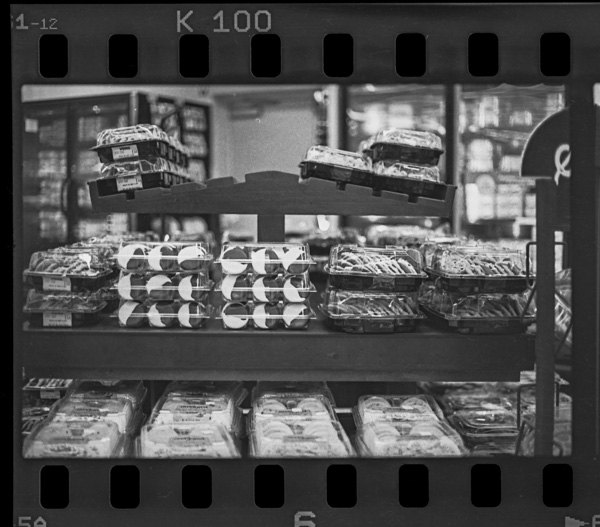
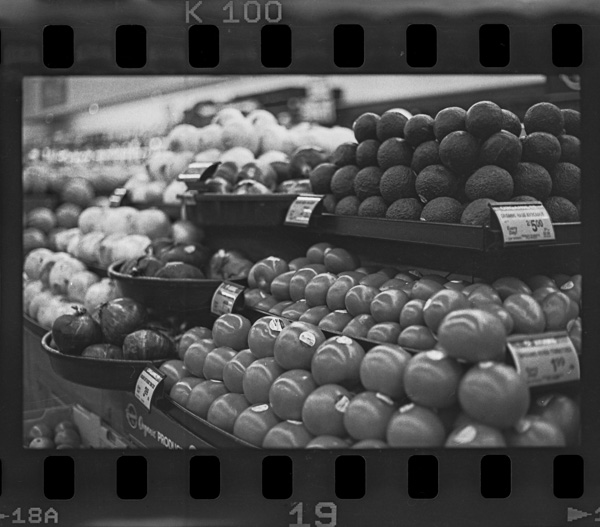

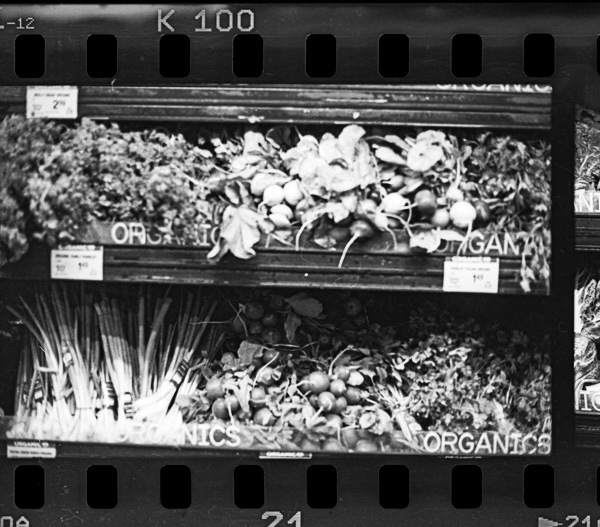
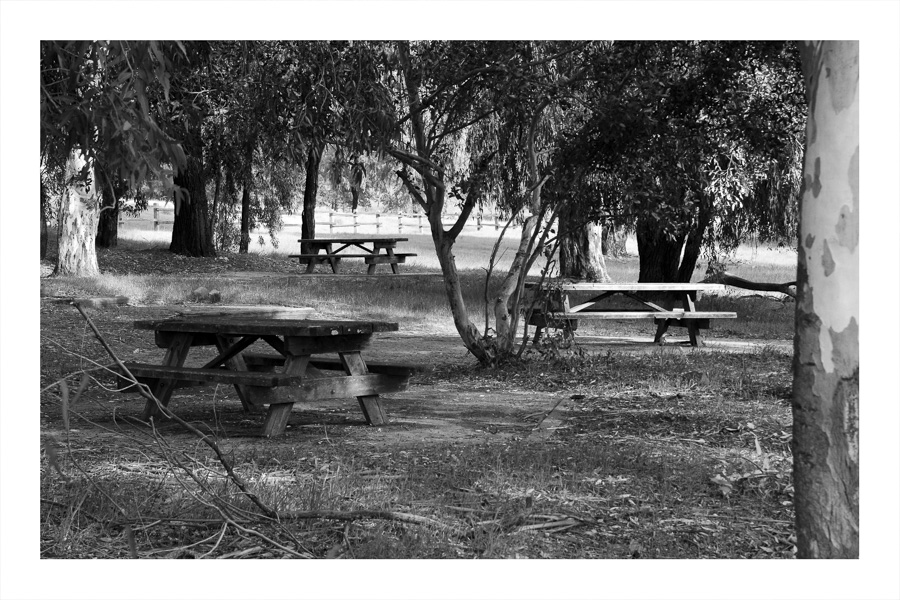
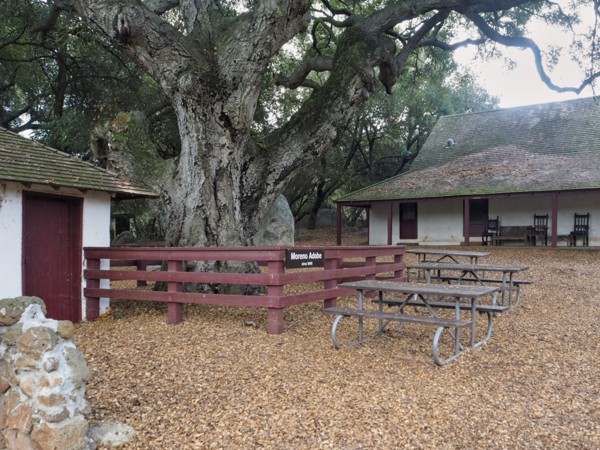
After one use on one roll of 35mm film, I’m sold! Take a look at the results. I can’t tell the difference between Cafenol and D76. What’s better is the mixture of instant coffee, sodium bicarbonate and vitamin C are nontoxic. Just poor the developer down the sink after 11 minutes. The chemicals are also kid safe as none of the ingredients are toxic or poisonous, making storage easy.
I may revert to D76 if I wait and develop many rolls at once because I would have to remix a batch for every two roll Patterson tank of film. But I’m not very patient and tend to develop quickly after I have exposed the film.
Stay tuned, I’m sure I’ll have a follow up in a couple of months. In the meantime, let me know what you think about the tone and texture of these photos.
All images were developed using cafenol mixed at home and scanned using an Epson V700 scanner. Negatives were processed using Adobe Lightroom.


 Talkin' about the past, photographing the present