I’ve been in mourning for the redwoods. More than the beautiful trees, I miss the forest that surrounds them. Carpeted underneath the trees are ferns, and other ground cover, even the banana slug that lives in the cool and damp underbrush. I miss the roads to access them too. They became a bit of a passion when I lived near the coastal range they inhabit. The fresh air from the ocean and the outdoor activities and the enthusiasts that participated in those activities became a bit of an addition too. It’s time to move on, perhaps I should say move back.
Moving on from the redwoods-or-nothing mentality, it’s my chance to rediscover Southern California. I’m looking up to seeing I’m surrounded by forests with pines and cedars, others with oaks and chaparral. There are also a lot of rocks, and don’t forget the annual poppies and early spring wildflowers.
One of those new-to-me places is the Santa Rosa Plateau. Located on the eastern slope of the coastal range behind Camp Pendleton, the plateau is easily accessed from Murrieta along Interstate 15 to Temecula. On the plateau open natural space is adjacent to avocado groves and ranchland. In addition to wide open woodland space, the plateau’s access roads are pretty nice, twisty, two lane ribbons of road waiting to be explored by motorcycle.
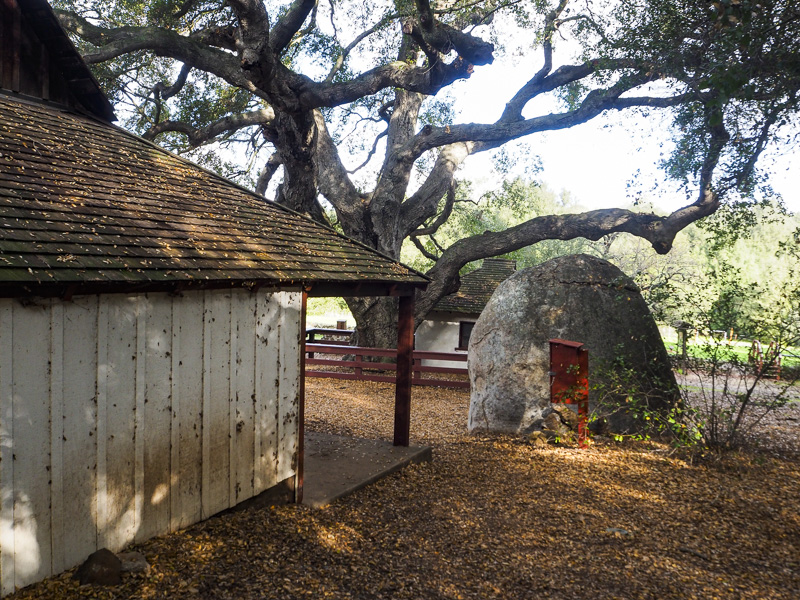
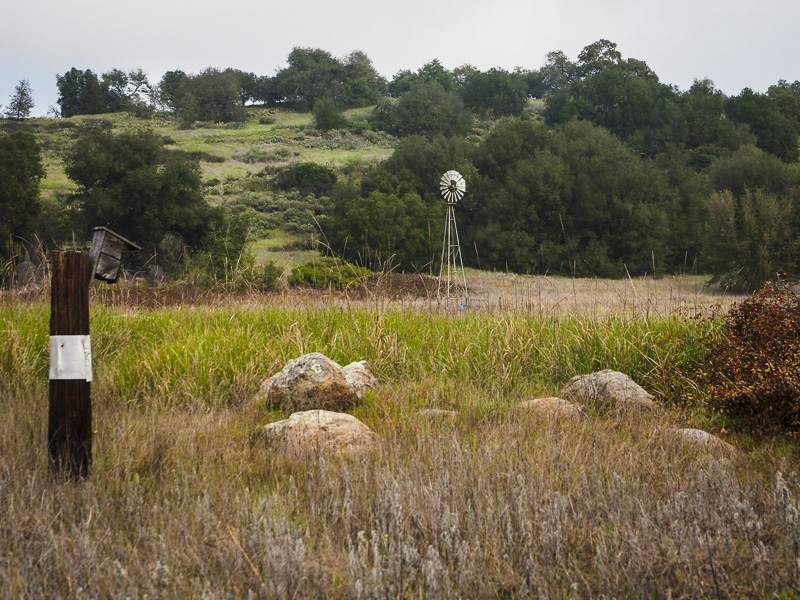
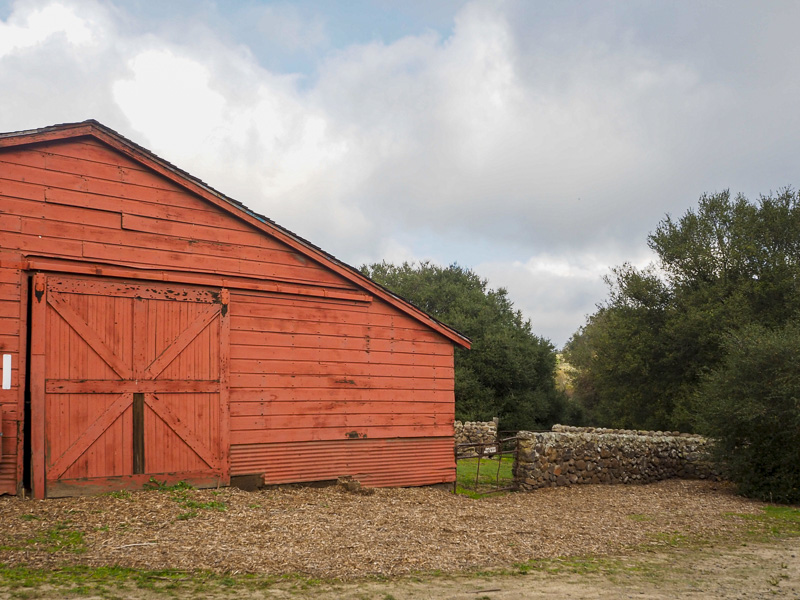
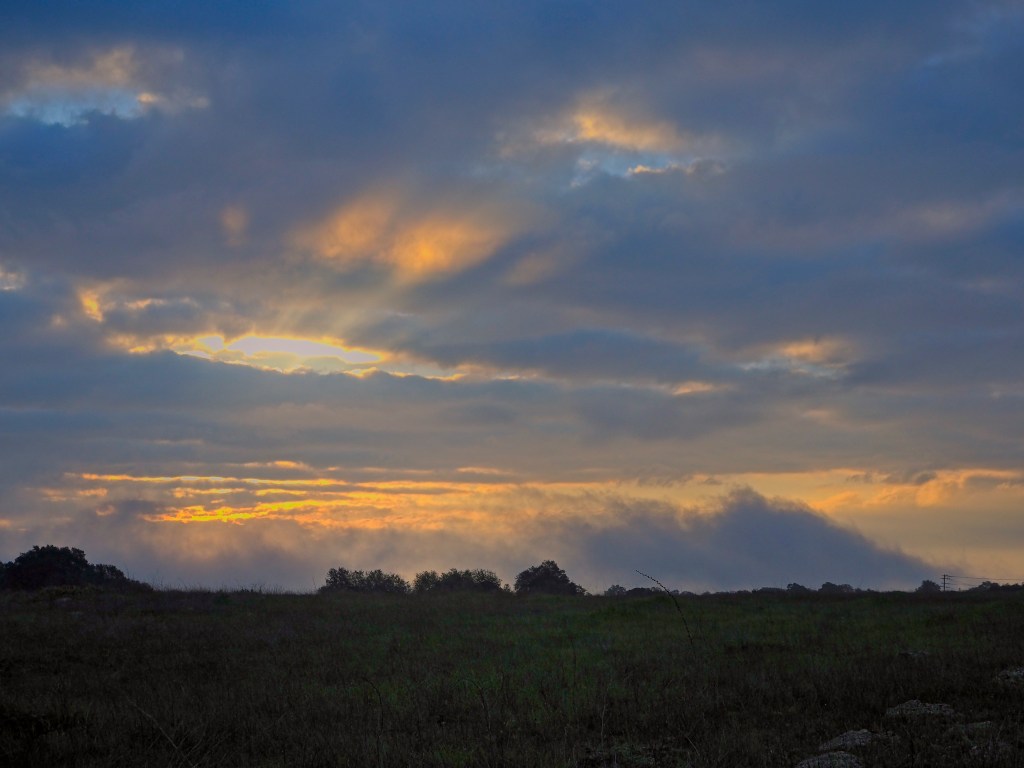
Recently, I visited the plateau. It’s the rainy season so the area is green and lush. I took a nice walk from one of the convenient parking lots to Moreno Adobe. A small token of $6 is requested for parking. The land the adobe sits on was granted by Pio Pico at the end of the Mexican period in 1848, according to the plaque at the site. They built a little adobe house that in today’s nomenclature would be called a tiny house. By 1865 the Morenos built a larger family house and began other improvements including a barn, that eventually changed from protecting animals to equipment, a windmill to pump water and multiple stone walls to segment off the property surrounding the complex.
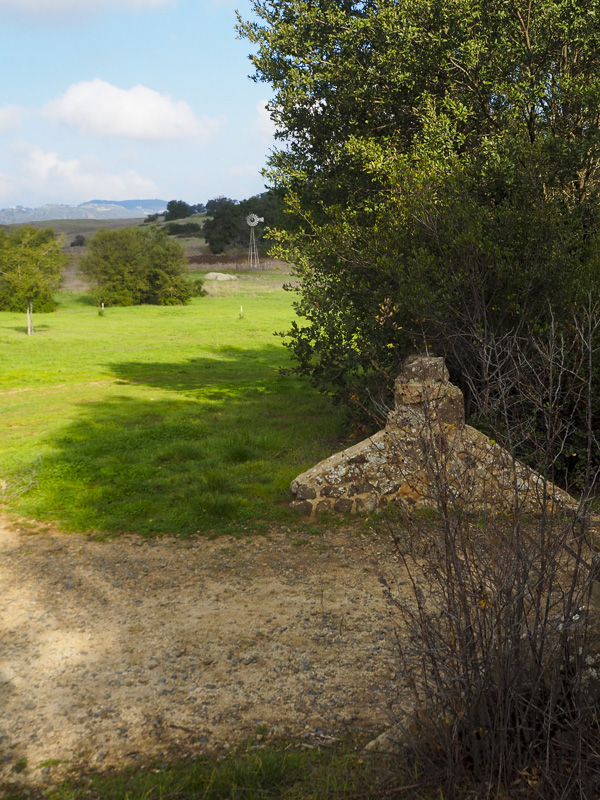
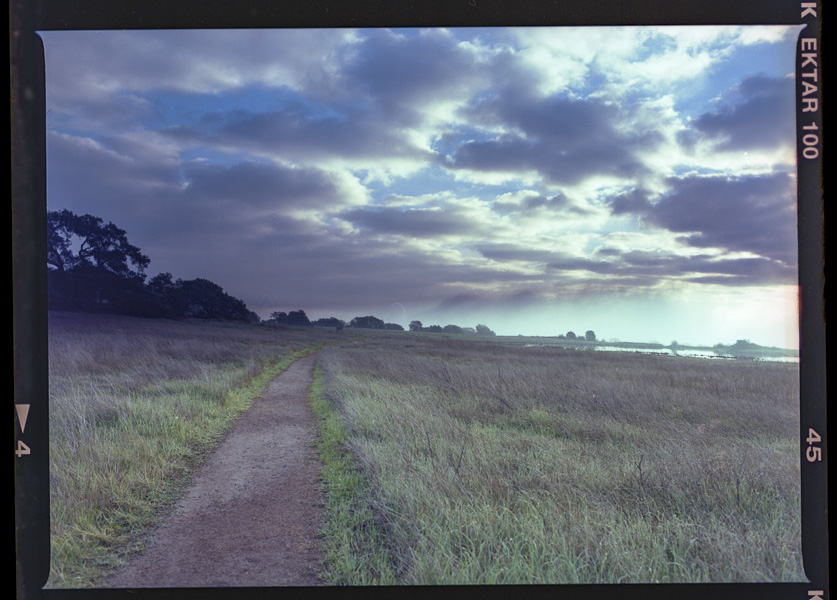
The adobe is easily accessible from multiple parking lots in the area, easily visited by trail or fire road. My walk was 1.7 miles each way on a hiking trail. I started at sunrise, spending most of the morning taking photos and making the 3.4-mile loop past Vernal ponds (very seasonal) to the adobe and back. Always looking for a challenge, I took several cameras with me including a medium format Mamiya 645 film unit, a Nikon D7200 with a 200-500mm lens (for the birds) and an Olympus OMD E-M5 with a standard 12-42mm zoom. I’m sorry to say I lugged the Nikon out and back but never had the occasion to pull it out of the backpack. The lens alone weighs about five pounds. Next time I’ll limit my luggage!
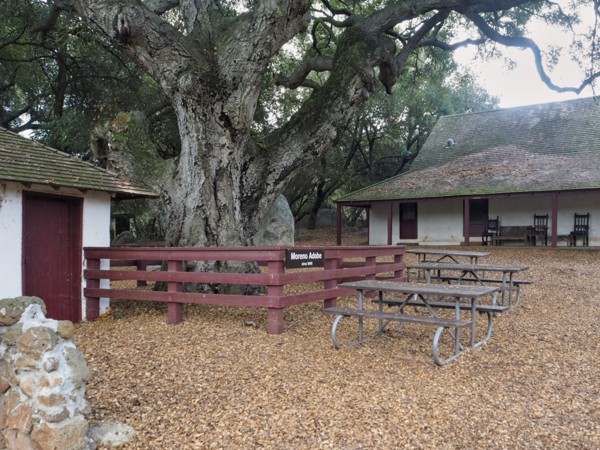
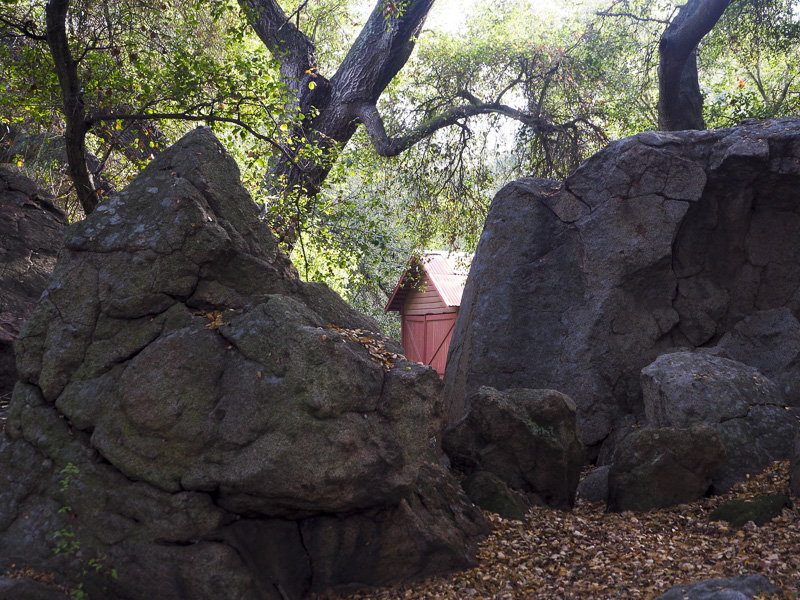
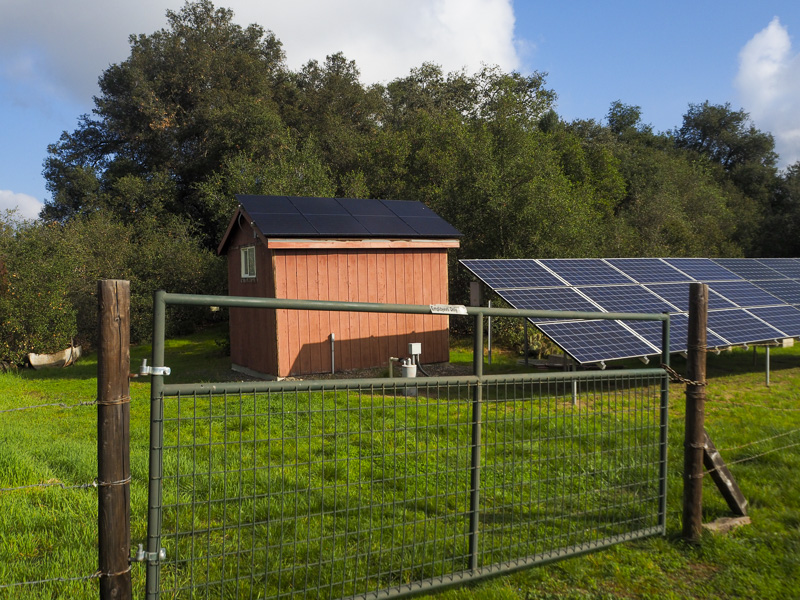
The interior of the adobe isn’t accessible to the public. Exterior views of the adobe and outbuildings are the reward for a beautiful walk out and back. Hikers were friendly and the weather was in a state of flux, changing enough to add character to the pastoral scene.
I was up at sunrise to take a few photos of the springtime Vernal, or temporary, pond.
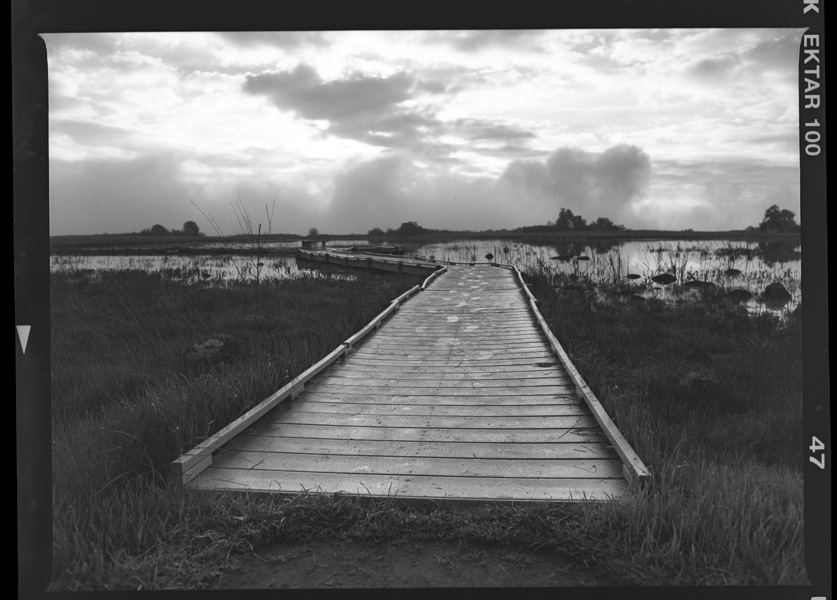
Mamiya 645e with Kodak Ektar color negative film, converted to monocrome.

 Talkin' about the past, photographing the present