
On a recent trip to the United Kingdom I took the opportunity to pack a couple rolls of Kodak T-Max film. I wasn’t sure what kind of light or conditions I would encounter so one roll was ISO and the other ISO 400. I used a newly refurbished Canon AE-1, something new to my collection.
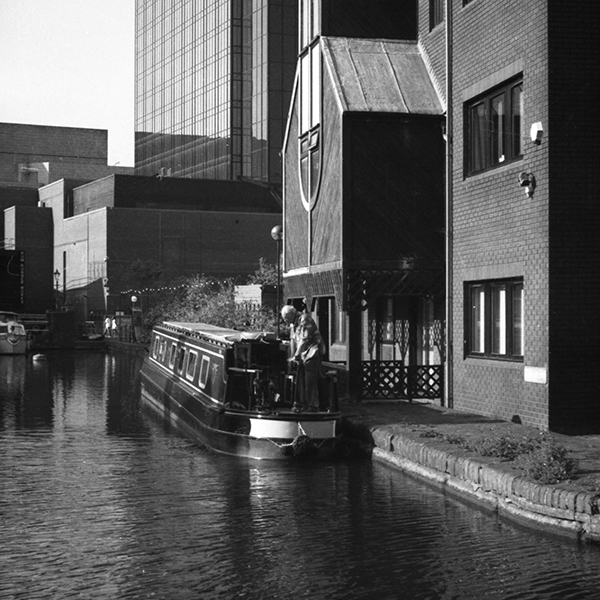
Birmingham is the second largest city in the UK and was the center of the Industrial Revolution in the 18th century. The beginning of that economic change in how goods were produced was fueled by water. Water provided power for the machines and transportation lanes for logistics. Later with the invention of the steam engine factories would locate anywhere and the engine that ran the factories was placed on wheels and moved the products around the country on the newly invented train. Water was critical to the Industrial Revolution for two reasons. By diverting a stream and using a water wheel connected to a series of belts and shafts, multiple machines to spin thread and operate looms could be located in the same building. In addition to the importance of driving the looms, water was relocated to make transportation lanes that would move raw goods to the factories and finished goods to markets. The system of canals, where barges were pulled by draft animals for long distances, would eventually stretch out about two thousand miles. Over time, some of those canals fell into disrepair as trains and then trucks (lories for you fans of the British Isles) replaced the slow canals. Today the remaining canals have become a bit of an attraction for tourists and people who live off the grid. The city of Birmingham has made a good effort to revitalize the canals by making them a shopping and eating destination. Replacing the overgrown walking paths in some areas with sidewalks and shops has been an important part of the transformation.
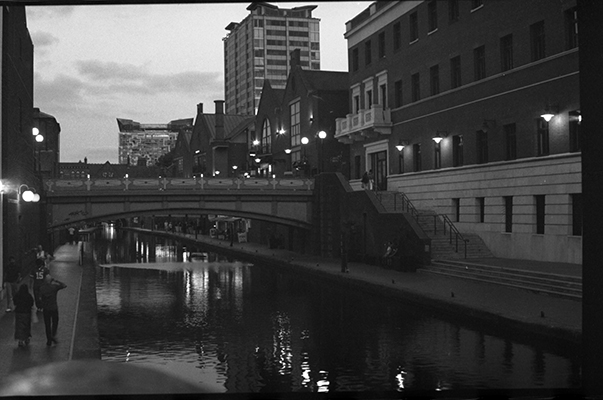
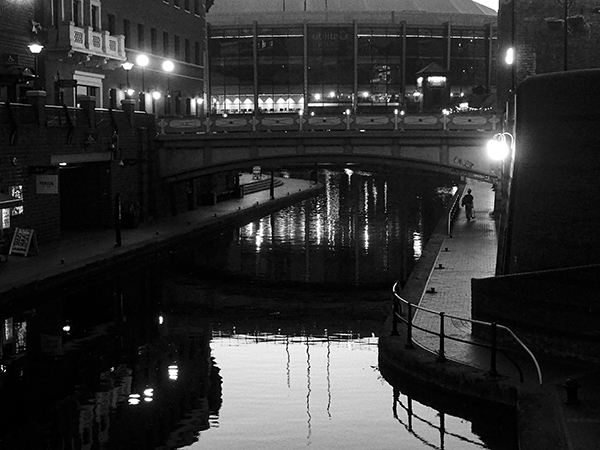
On one of my meandering strolls along Birmingham’s newly gentrified canal paths I had my Olympus OM-D EM-5. I decided to shoot it in monochrome and later compare the results of the two cameras, one analog and the other digital. The OM-D is a Micro 4/3 camera, back in the day it would have been called a half frame camera.
On another occasion I took to the canal with my trusty Canon AE-1 to capture some images I hoped would look more classic in black and white. Using an old 35mm manual focus film camera with a limited number of frames forced me to slow down and think about the image a bit more than using a digital camera where I can view the results of the click immediately if I choose. Without autofocus, choosing the part of the frame to focus on was also more deliberate as the camera didn’t choose a spot for me. Being restricted to the film speed I had loaded in the camera was another limiting difference with the Canon. With a fixed ISO, especially at 100, I sometimes had to find a temporary and creative “tripod”, maybe a wall or a bench, to set the camera on because the only acceptable shutter speed was under 1/30 of a second. The film images were scanned using an Epson V700 in tif format with the required adjustments made at the scanner or in Lightroom.

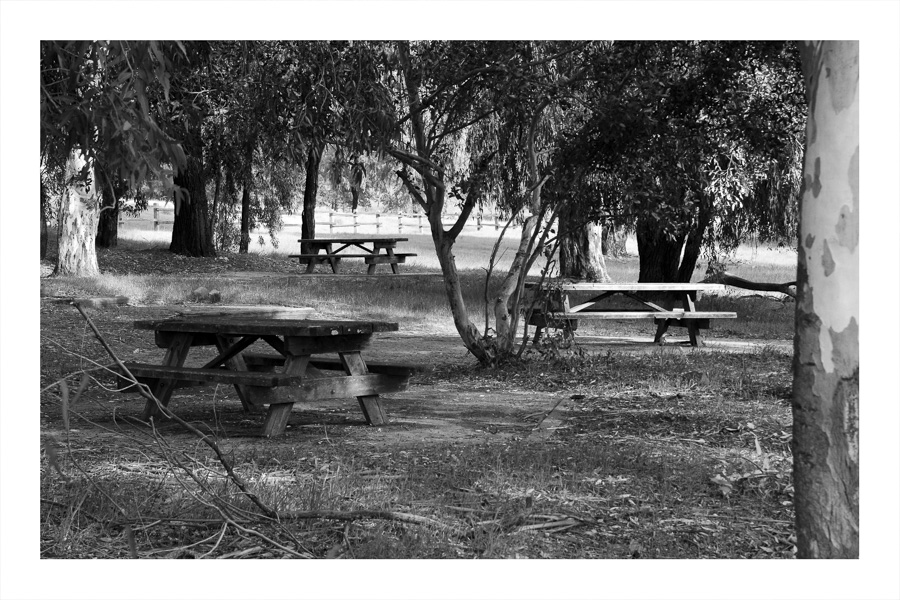
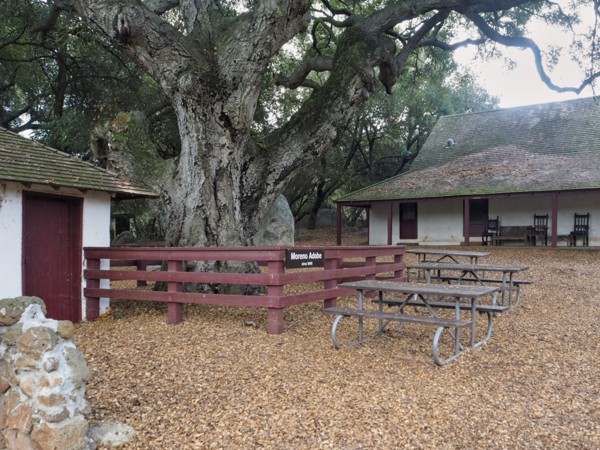
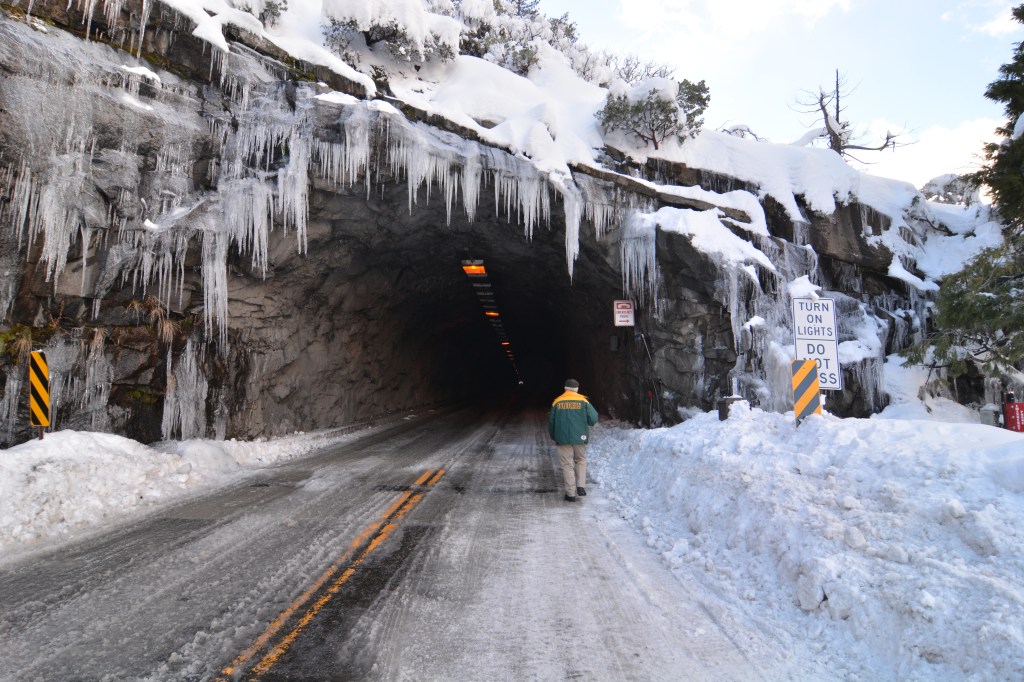
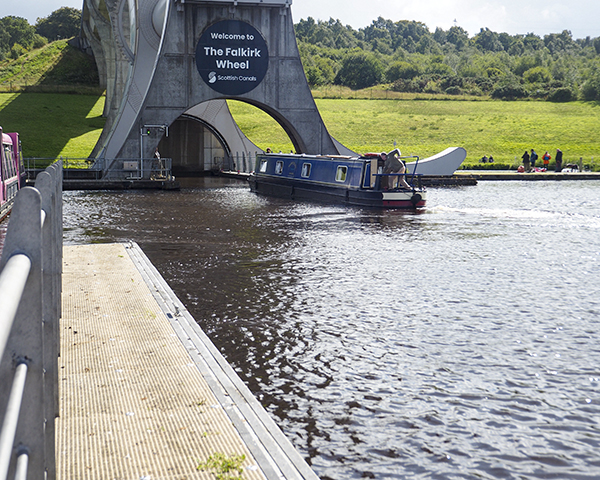
Here’s a smattering of the results. Can you tell the difference between digital and analog images? If one is sharper than the other, do you think it make a difference for the overall image? Leave me a note in the comments.


 Talkin' about the past, photographing the present