
A few years ago, I purchased an Olympus OMD E-M10 Mark II. I was looking for a good street camera that would do additional duty as an easily packable and light weight kayak and motorcycle camera. As a mirrorless system camera it is small, light weight and has a good variety of available lenses. The two bodies in the lineup above them EM-5 MII and EM-1 are wate.r proof when paired with the right lenses but work well with the consumer line offered by Olympus. I rented an OMD EM-10 MII from my local camera shop and was impressed so I bought
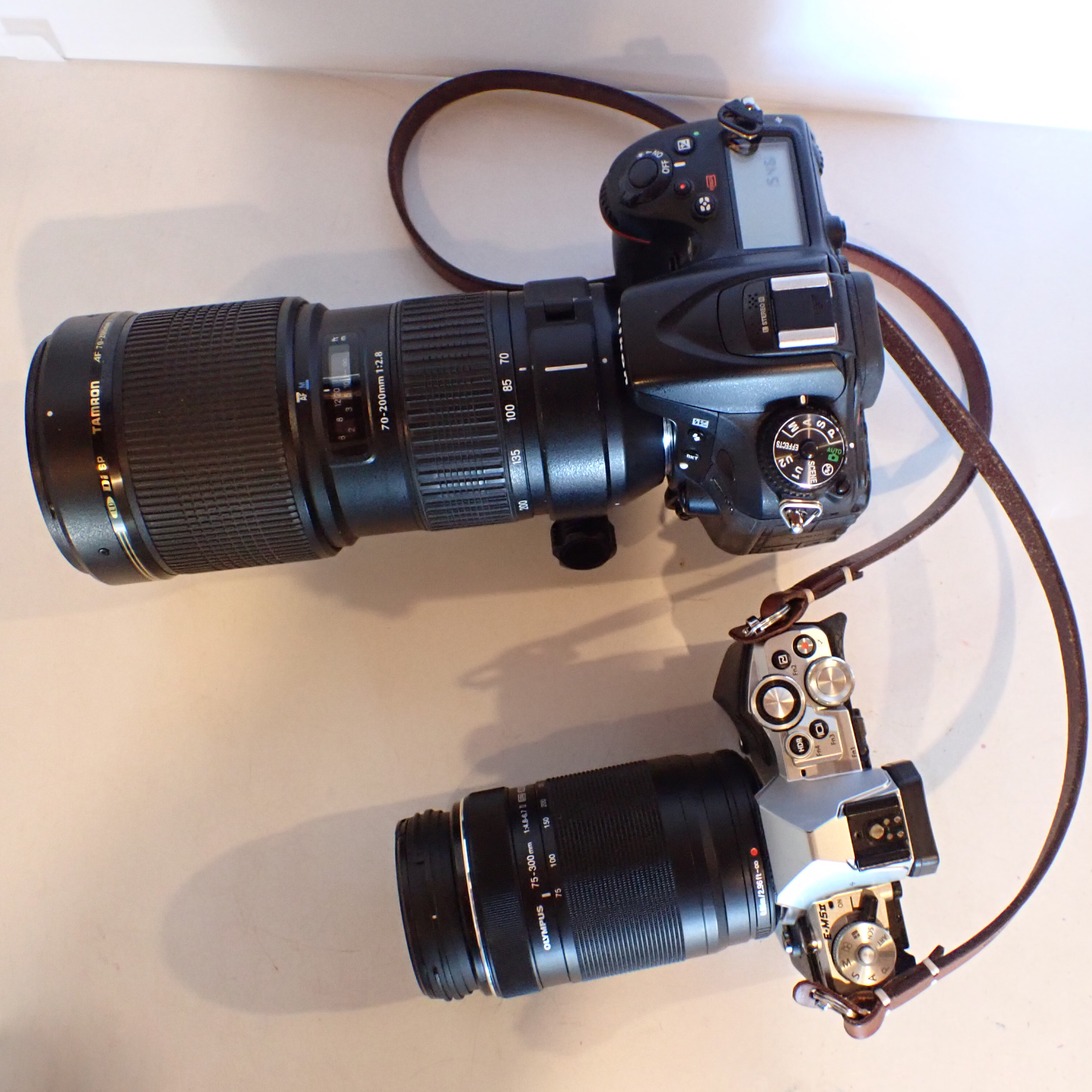
Recently I took a trip to the Cotswolds in England and made the decision to leave my Nikon equipment at home in favor of the OMD system. The decision was difficult, but I planned to walk about 50 miles in seven days. The weight and size difference was pretty big which worked better with the amount of luggage space I had. I was able to pack two bodies, an EM-5 MII and EM-10 MII along three lenses, a pancake 14-42mm, the kit 14-42mm and an 75-300mm lens. Together in the bottom of my backpack they took the same room as my Nikon D7100 and a 70-200mm lens but were much lighter.
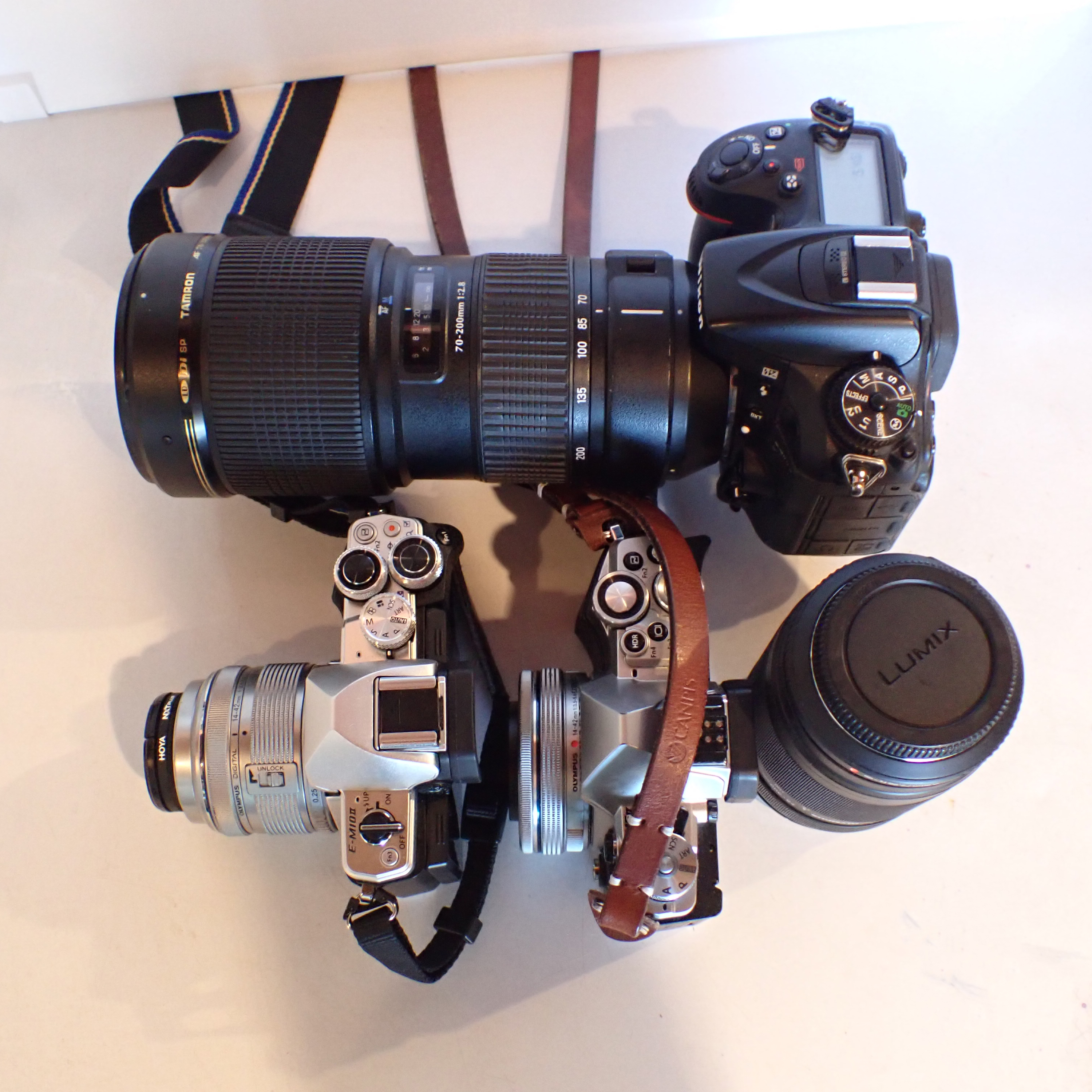
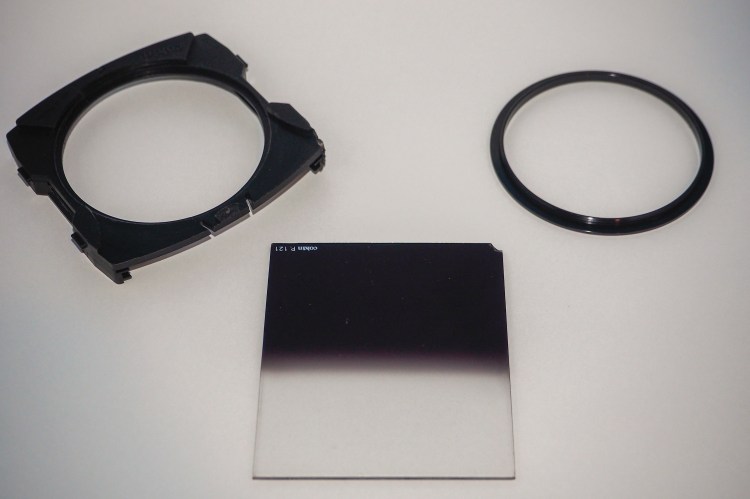
The OMD E-M5 has a few features I have fallen in love with over the course of the week. The first is a nifty pancake zoom lens that makes the camera nearly flat when turned off. It extends when the camera is turned on and zooms by a slight twist of the zoom ring. Second is a function button for HDR. In the early days of HDR most of the pictures were oversaturated and unrealistic, in my opinion. I not only wasn’t drawn to them, I was repulsed. I chose to keep my split neutral density filters in the bag and keep shooting like in the old Kodachrome days. But the Olympus guys got this one right! One button and the camera takes a series of five photos with an over/under exposure of two stops and blends them together in camera. Oh boy, a little piece of heaven! (The OMD E-M10 takes the five photos but needs a program like Photoshop to manually put them together.) I don’t have to carry the filter, step up ring or take the extra time to set everything up. Third, the camera takes good quality video with a flip out screen that allows me to see how I lined things up when in selfie mode.
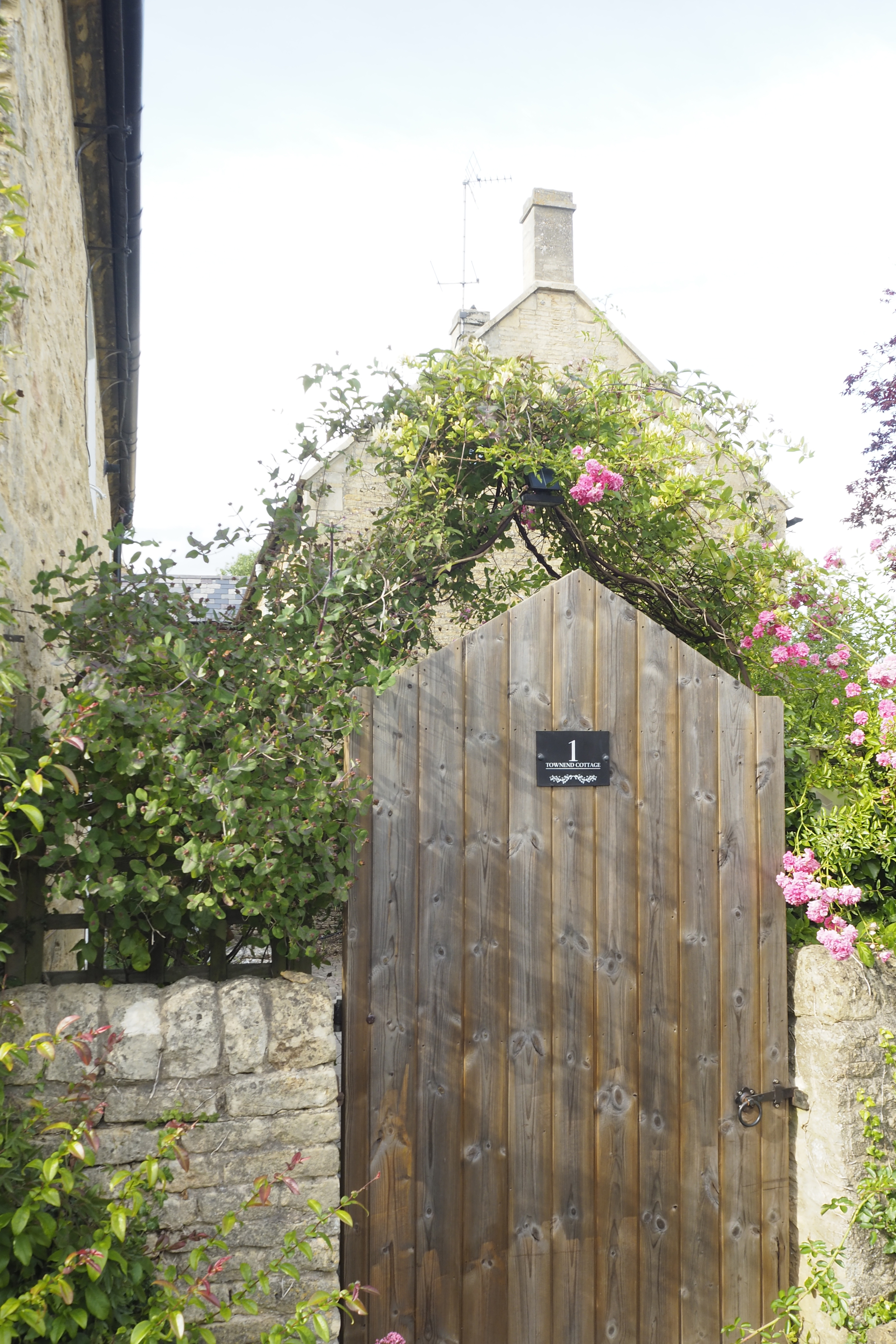
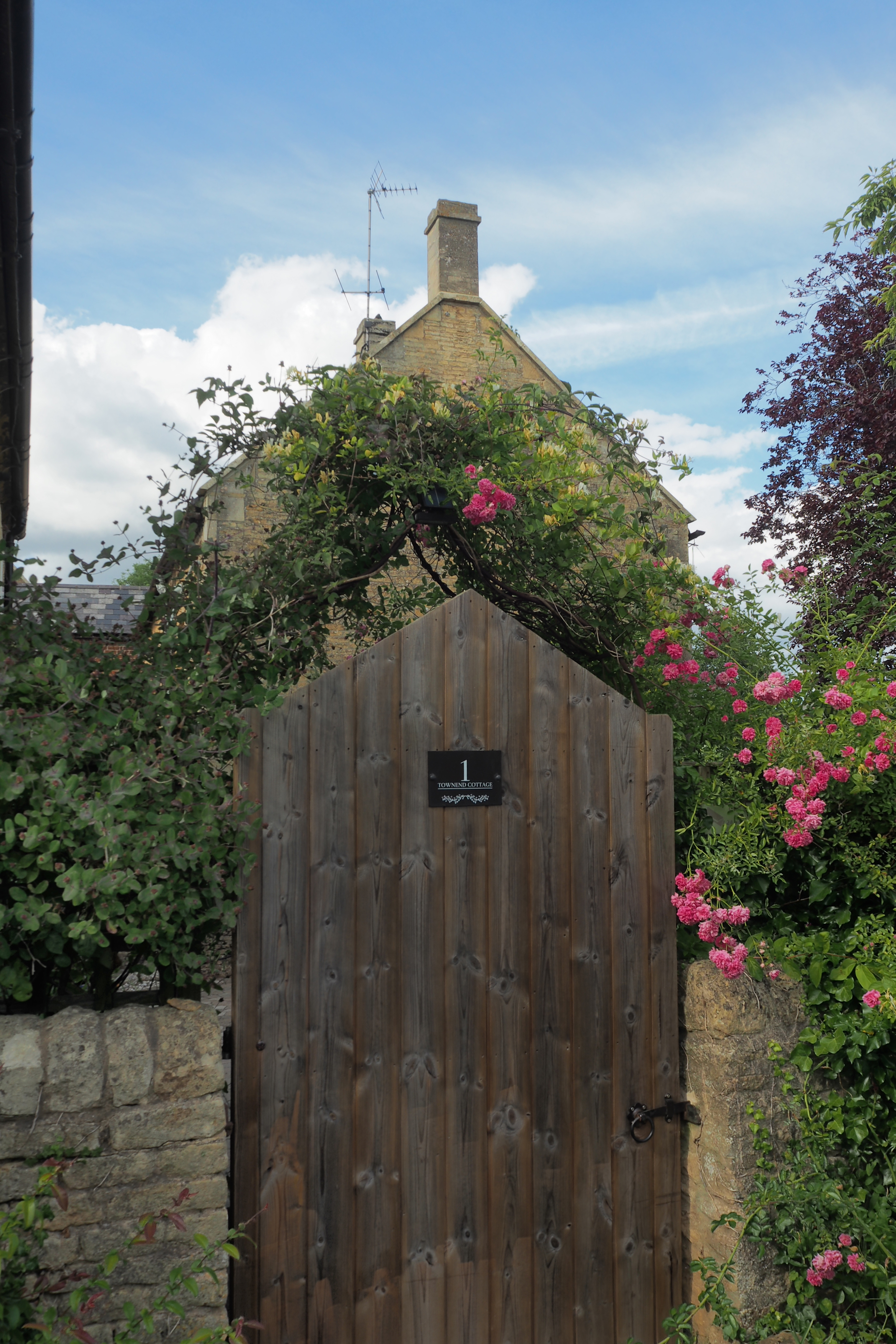
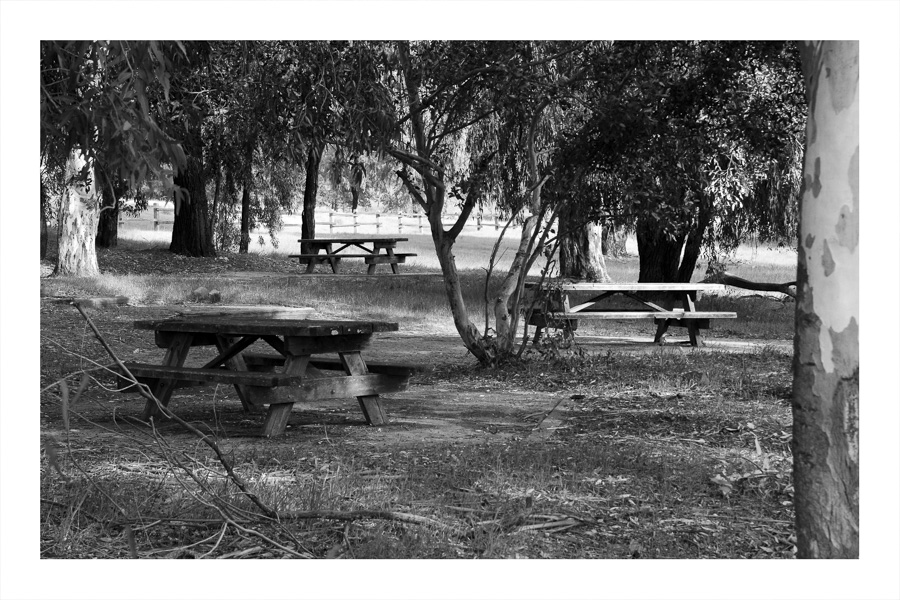
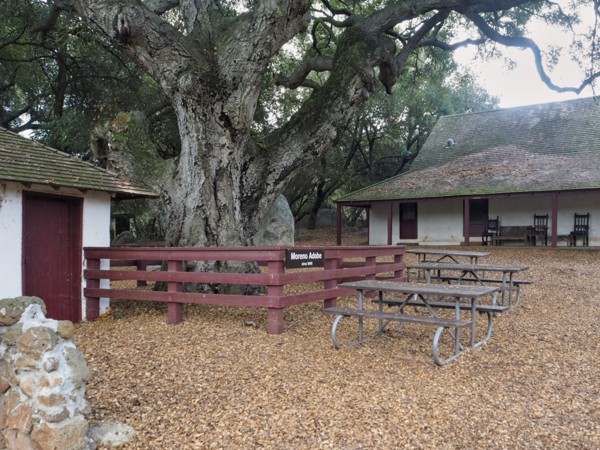
There’s one more thing, I like the color palette of the sensor. In the early days of digital cameras this option didn’t exist. If you are a follower of this blog over the past couple of years you know I’m a big film shooter. One of the things I like about film is the different color pallets for each film and even each manufacturer. In the early digital days, it seemed to me that all digital photos looked the same. It didn’t matter if the end product was color or black and white, all the same. With the ubiquity of digital cameras and phone/cameras, it seems the manufacturers have tried harder in the past few years to delineate their specific colors and rendering of black and white. The portrait and natural modes look real and the vivid setting adds just enough saturation to make some photos pop.
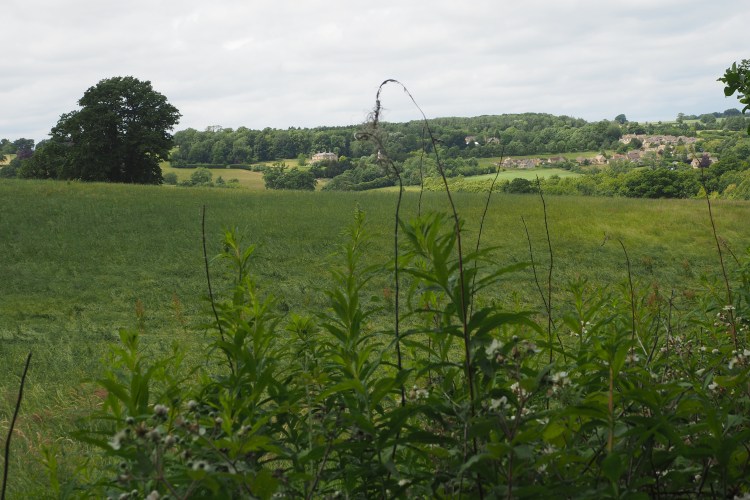
So that’s it. I’m sold! I’ll be carrying my OMD cameras a lot more. The Nikons still have their place and I’m not getting rid of them, but the size and benefits of the OMD system have a permanent space in my daypack, for now.

 Talkin' about the past, photographing the present