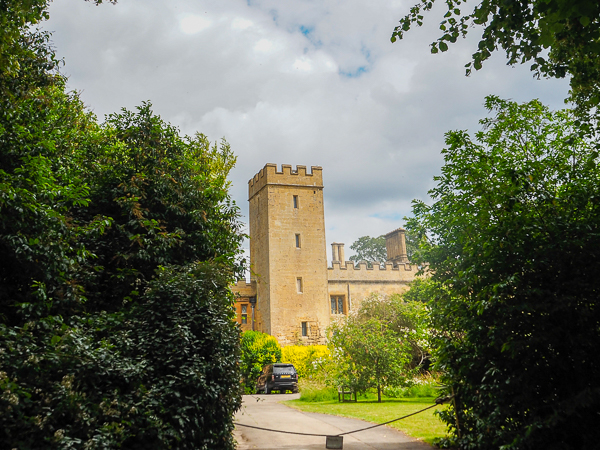
There are a few dates that come up over and over again when visiting England. It’s not the dates so much as the events from the dates. One of those important dates is 1066. William the Duke of Normandy came across the channel and with his French forces, beat Harold Godwinson and his Anglo-Saxon army at the Battle of Hastings. More histrivia? Why is this important? Let me highlight a few reasons.
In the United States we are used to borrowing things from other cultures. Our capitol building’s style is borrowed from the Romans and Greeks. In the Southwest we borrowed and kept a building style from the Spanish. Even our food comes from everywhere. It all becomes American because we mold the original idea into something we like. But the English are just English. Aren’t they?
As a language English borrows words from other cultures when it seems appropriate. The English are a combination of three main people groups in Europe. Isolated by the sea and ocean, the original inhabitants of the main island were English, Scot, and Welch. After the Romans invaded the island, the Anglos or English, were overrun by the Vikings, known as the Saxons, beginning in the 5th century. The new culture they created is known as Anglo-Saxon. During this time Christianity was accepted and the idea and foundation of what we know as England was established.
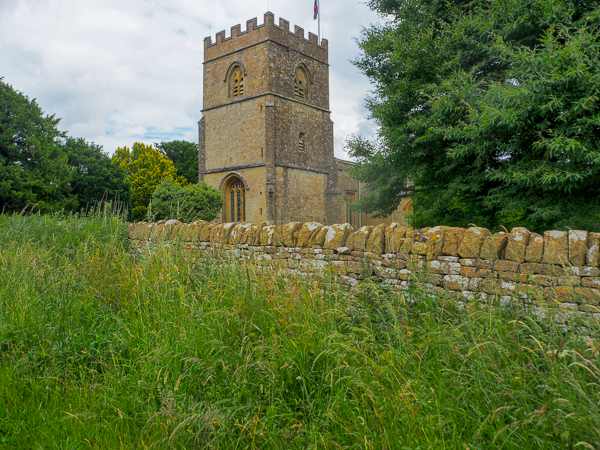
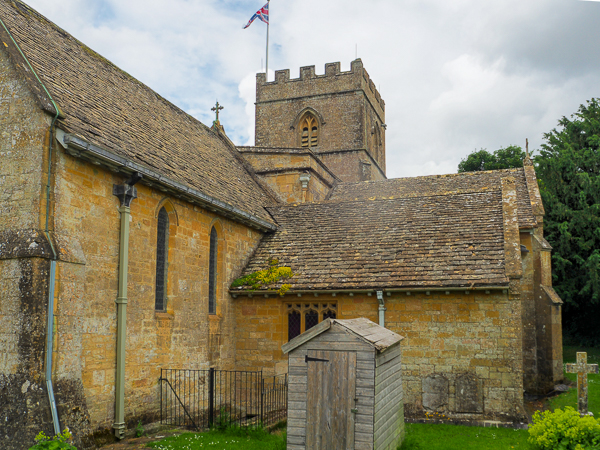
This was King Arthur’s time and his task was to stop the Saxons. The Norman invasion changed the structure of England’s Medieval government. William the Conqueror brought with him the Norman architectural style that is common throughout the island. The Norman style is most obvious in the country churches we saw walking through the Cotswolds.
Perhaps you carry an idea from the movies of an English castle. Hollywood perhaps etched a typical castle from one of the many tales of King Arthur. The Lego-like battlements at the top of the walls (called crenels and merlons) and stairs within the Keep were great props for Errol Flynn and Kevin Costner or even Sean Connery to fight the wicked Sheriff of Nottingham and his corrupt King John with swords and who knows what. Even though the legend of King Arthur is set in the Saxon invasion of England in the 5th and 6th centuries, his Hollywood castle is always Norman.
Perhaps you carry an idea from the movies of an English castle. Hollywood perhaps etched a typical castle from one of the many tales of King Arthur. The Lego-like battlements at the top of the walls (called crenels and merlons) and stairs within the Keep were great props for Errol Flynn and Kevin Costner or even Sean Connery to fight the wicked Sheriff of Nottingham and his corrupt King John with swords and who knows what. Even though the legend of King Arthur is set in the Saxon invasion of England in the 5th and 6th centuries, his Hollywood castle is always Norman.
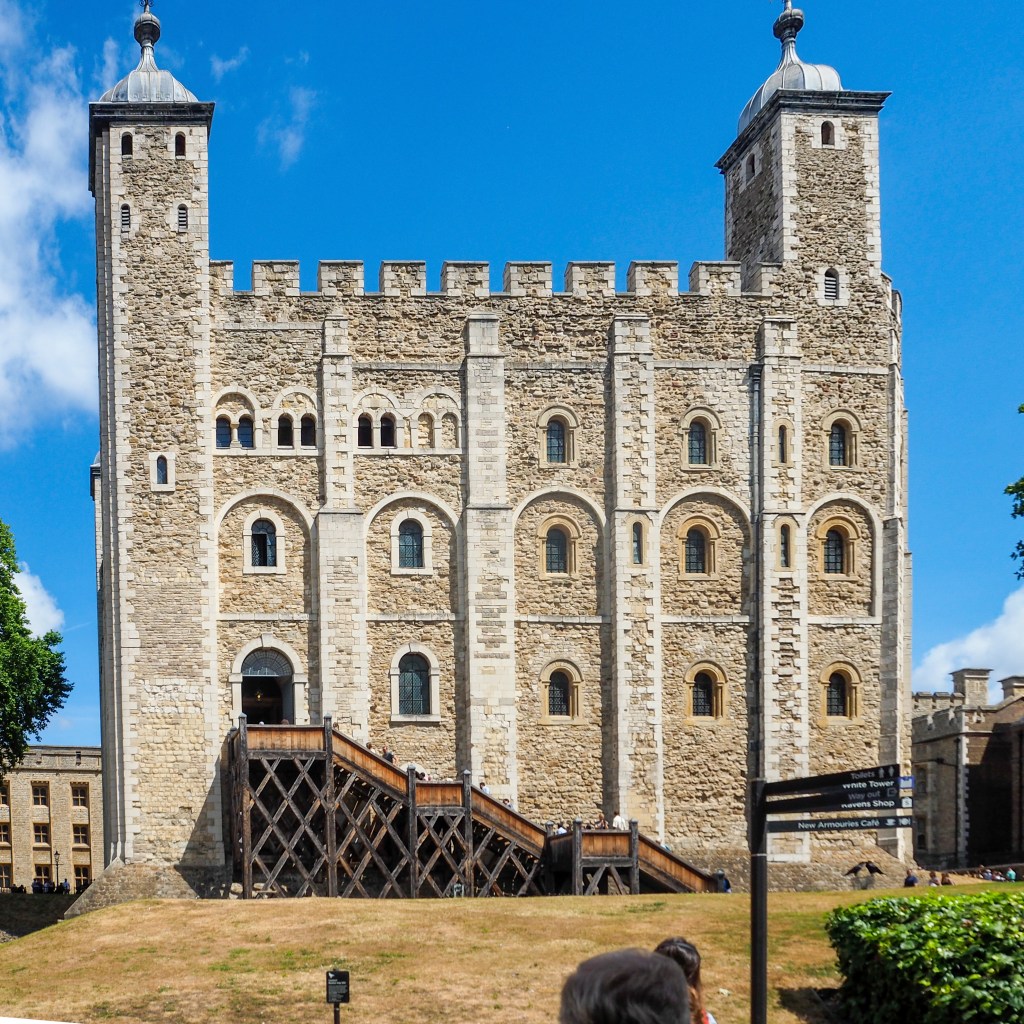
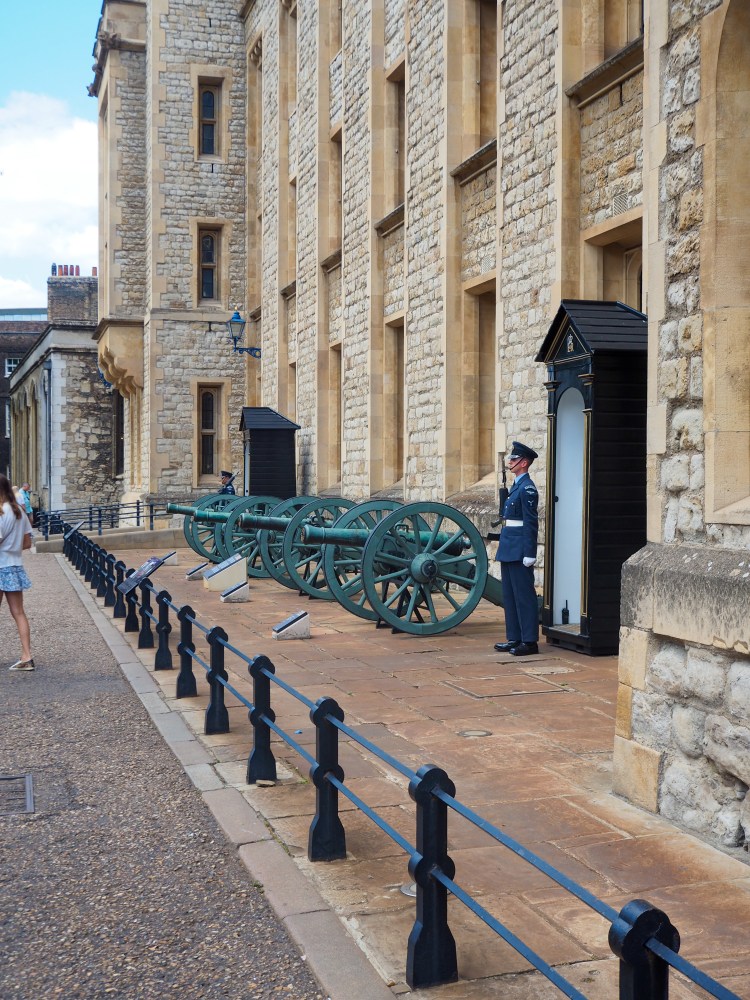
I don’t want to sound too much like your high school history teacher and so I’ll leave it to you to dig a little deeper into how William the Conqueror incorporated his French way of life into England. The architecture he brought with him served both a practical and political purpose. Politically, the presence of these blocky structures were symbols of the new boss and a reminder to do things his way. He set the tone with his new castle known to us as the Tower of London. Bringing with him the bailey, keep, moat, curtain wall, battlements and arrow slits in the design of his house, The Tower of London served as his house and a great impregnable jail to hold and torture those who were disloyal.
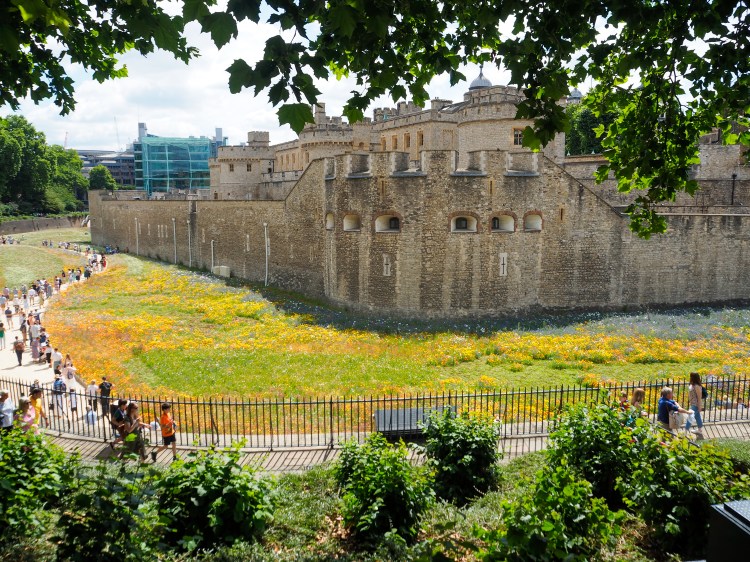
We visited the Tower, really a small village by itself, and were treated to a look at medieval ideas and actions up close. Of course there were little updates for us 21st century dwellers. The first of those adjustments was a change to the moat. Instead of William’s first obstacle an army had to overcome in breaching his fortress, it is a man made super bloom.
We saw the Crown Jewels kept here at the Tower of London. No pictures were allowed but a web search will reveal a couple of crowns. We saw jewels from around the Empire, perhaps the most stunning were stones from India and the Cullinan Diamond, the largest gem-quality rough diamond ever found from South Africa.
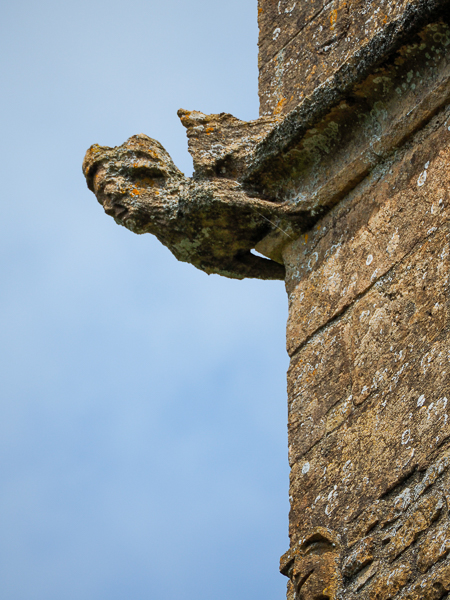
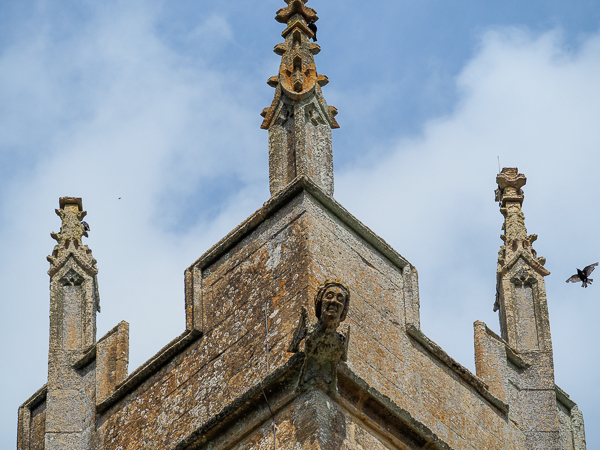
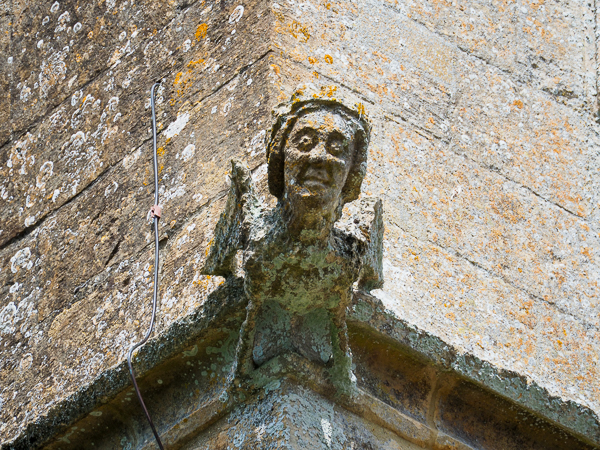
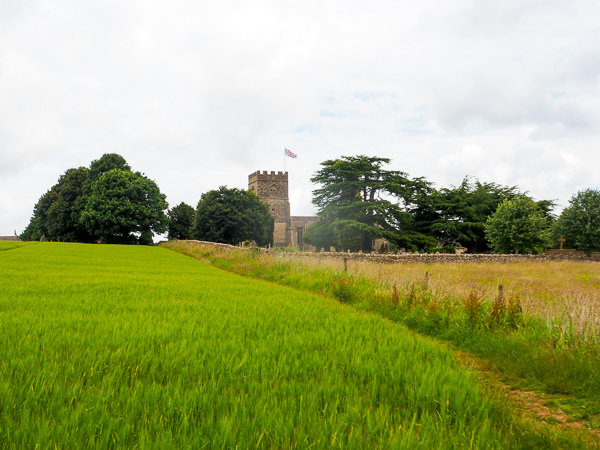
That takes us back to those Norman churches that were built in the style of the Tower. Here we saw the culture William brought with him and adopted by the commoners. These churches have a common square stepped top (replacing the steeple of the Anglo-Saxon times) and some even have gargoyles. (Perhaps the most famous gargoyles are those at the Cathedral of Notre Dame in Paris. The origins of these “protectors” and why they were needed on a Christian church is a bit confusing.) For us the gargoyles help us see the French influence on everyday life of the English.
Enough of the history lesson. Here are some photos of various Norman style churches we came upon in our Cotswolds walk. While the churches were open, we never saw a church official at any of the buildings.

 Talkin' about the past, photographing the present