

The Civil War was fought in an era where muscles were the primary mode of transportation. In those days soldiers marched and horsepower came from horses. The struggle to prevent the split of one nation into two, centered on the issue of slavery, was also the crucible for an emerging transportation technology. The war became a test between the emerging machine age and the old world of labor. Beginning with the Rocket in 1829, the world’s first successful locomotive propelled Britan into the age of the train. As steam engines grew and became more powerful, locomotives and the growing amount of cargo and people they could move ushered in the transportation age. Instead of merely county animals, horsepower became a way to measure speed and usefulness. Growth of the railroad throughout the 19th century transformed the United States into a modern society. It represented the new way of doing things while labor, and specifically slavery, represented the past. Generals on both sides of the Civil War recognized the importance of this new technology. The increased speed and volume of men and material that could be moved to the front revolutionized warfare moving it into the modern era.
When the war began the North had the advantage in amount of track laid, the number of locomotives and other rolling stock in service, and the areas serviced by railroads. In his article “A Railroad War” George A. McClean writes no battle in the eastern theatre of the Civil War was fought more than twenty miles from a railroad or navigable river. Controlling all aspects of the railroads became an important goal for both armies during the conflict. For the Confederacy destroying or stealing track and equipment was a main war objective.
One such event happened in 1961 and involved the famous General Thomas “Stonewall” Jackson.[i] After Maryland decided to remain with the Union the Manassas Gap Railroad had to be abandoned by the Confederates who had already taken Haper’s Ferry. General John David Imboden assigned Colonel Jackson the task of destroying the railroad. The Confederate army destroyed fifty-six locomotives and three hundred cars. Instead of destroying good locomotives and rolling stock, Jackson decided to disassemble and transport fourteen remaining locomotives over a turnpike and series of bridges into Virginia. Checking and reinforcing bridges to carry the heavy equipment, confirming the McAdam roads could handle the extra weight and conscripting the men to move the equipment was truly a herculean task. He used men and old fashioned horse-power to relocate the equipment. More information about the heist is available at https://shenandoahcivilwarhistory.blog/2019/09/25/jacksons-railroad-caper/, https://www.essentialcivilwarcurriculum.com/a-railroad-war.html. This site has a good short bibliography if you’re interested in more. If you’re in a hurry search Wikipedia.
With a strong manufacturing base the Union was able to produce more rolling stock. In contrast, the mismanagement of rail lines in the South contributed to inefficient use of existing lines and equipment. President Lincoln militarized the rail in the north resulting in more uniformity in operation including a standard gauge and quicker replacement of track and bridges as they either wore out or were destroyed. Jefferson Davis, president of the Confederacy, inherited a disjointed conglomeration of private systems. The rails were already in various states of decay when the conflict began. Before the wide use of steel, the iron rails’ life expectancy was a short three years. While Lincoln was able to nationalize the existing railways Davis never got that permission from the very independent states rights members of the Confederacy. In addition, the Confederate military was sometimes charged more than private customers by independent companies that owned the track and equipment.
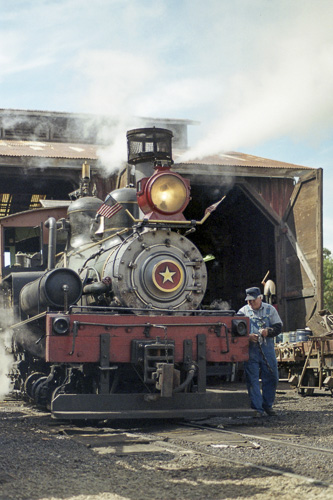
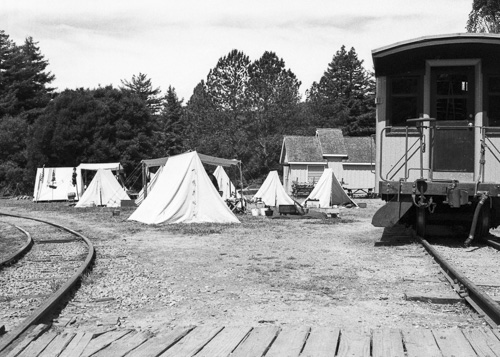
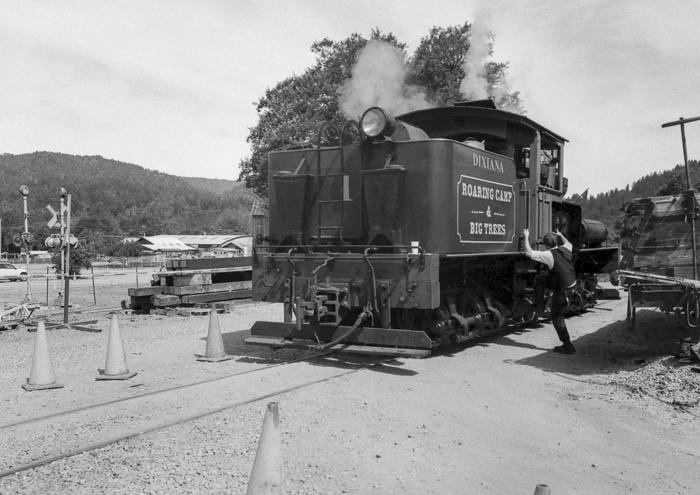
Not many of those early locomotives have been restored. The Civil War Reenactment I wrote about in last week’s post was held at an active steam engine restoration site. The engines and rolling stock were not part of the reenactment event. I expect many of the visitors didn’t link the railroad and the mock battles. As I stood there watching the skirmish between the two forces move from small arms fired in a haphazard fashion to a staged faceoff between the two sides lined up standing in straight lines and the use of artillery to massacre opponents, my mind wandered to some of the larger battles like Bull Run/Manassas and the need for moving massive amounts of men and material using railroads.
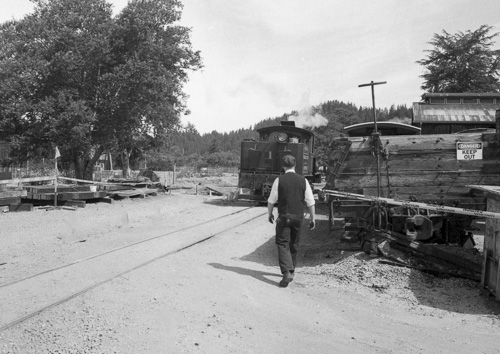
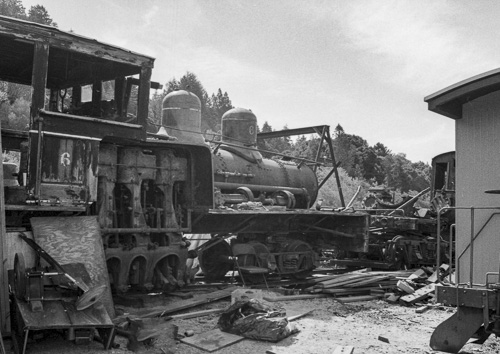
So, I took the opportunity to include them here. Here are a couple of running locomotives pulling out of the shed where they are protected from the elements in a futile attempt to stop the rust that will ultimately require more maintenance. I’ve included the “bone yard” section of the yard. If you or someone you know has worked in a repair or manufacturing job you know and recognize something on the ground.
Civil War Photography
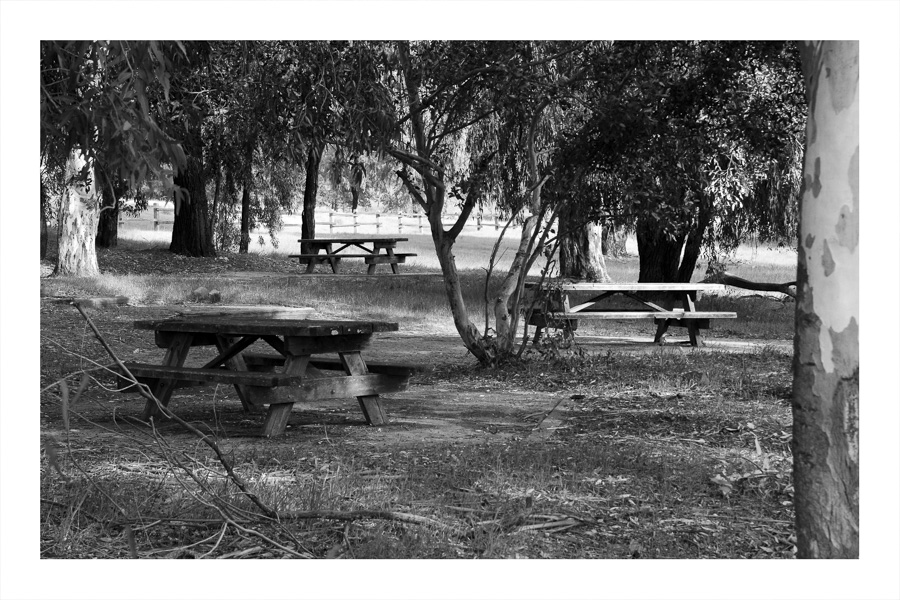
Photography was a new thing in the 1860s. Matthew Brady became famous for bringing his cameras and dark room with him to the battle locations. In his day the emulsion was applied to the glass plate immediately before it was exposed in the camera and the plate had to be developed immediately before the image faded or disappeared. Brady’s wagon doubled as transportation and a dark room to develop the glass negatives in the field. Since Brady was restricted to black and white, I’ve followed his lead by displaying some of these photos in black and white.
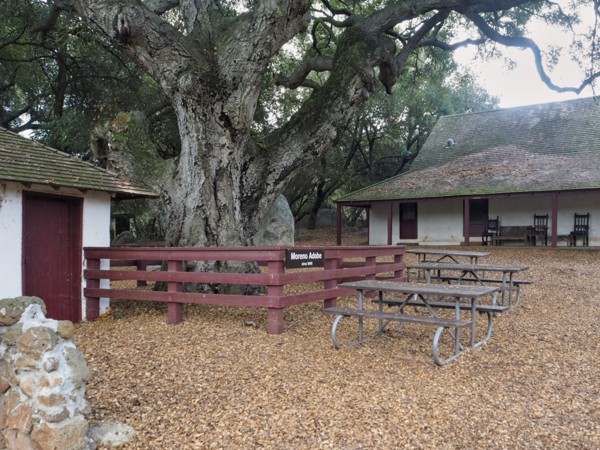
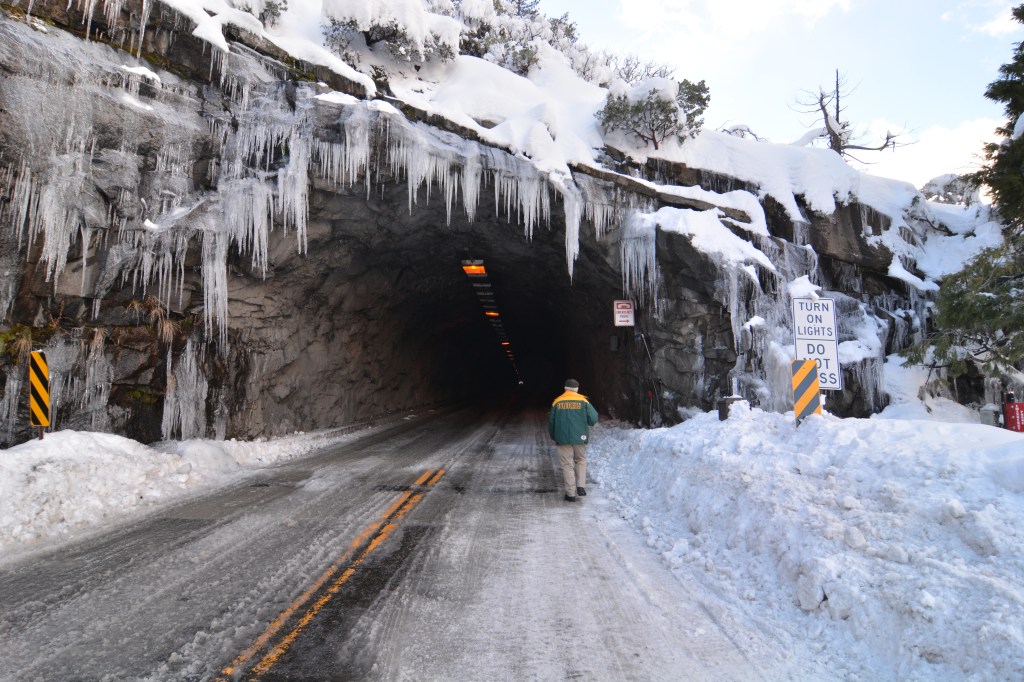
Of course, black and white has some restrictions. Among these are the tonal qualities of different colors. Medium tone green and blue look the same in black and white. I included some photos in color to give a sense of the place.

 Talkin' about the past, photographing the present