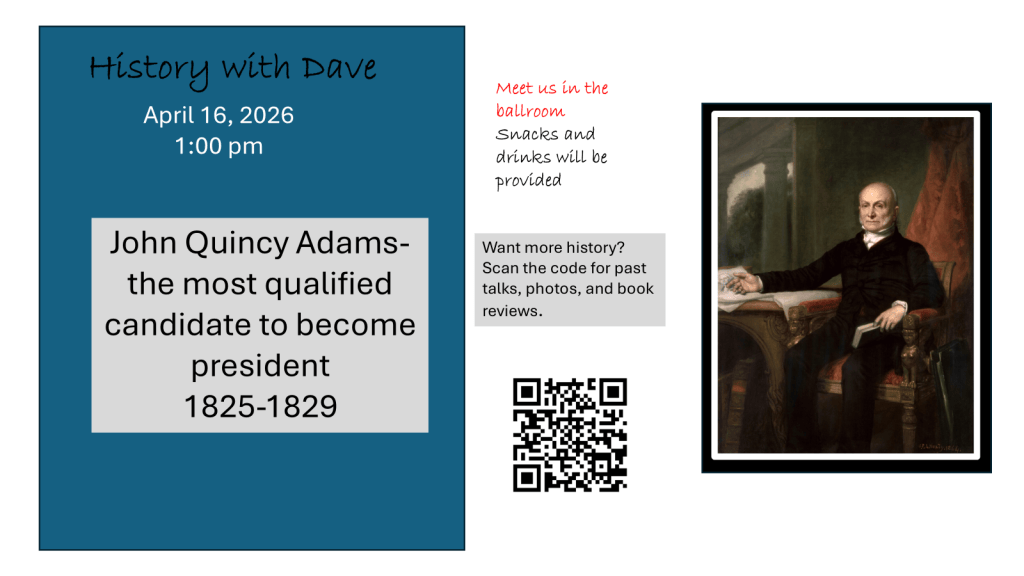
He may have been the most qualified candidate to become president. As a young teen his dad took him to Europe where he met diplomats and observed what life was like on the continent that birthed the ideas our new nation would be founded upon. He started college there before returning and finishing at Harvard. He learned to speak, read, and write seven languages. An educated guess based upon his speeches, writings etc. is he had an IQ of 175 (the score normally associated with genius is 140), the highest of any president in our history. John Quincy Adams’ training for the job of Chief Executive exposed him to domestic and foreign affairs and put him in highly responsible positions that required tact, intelligence, and the ability to forge compromise.
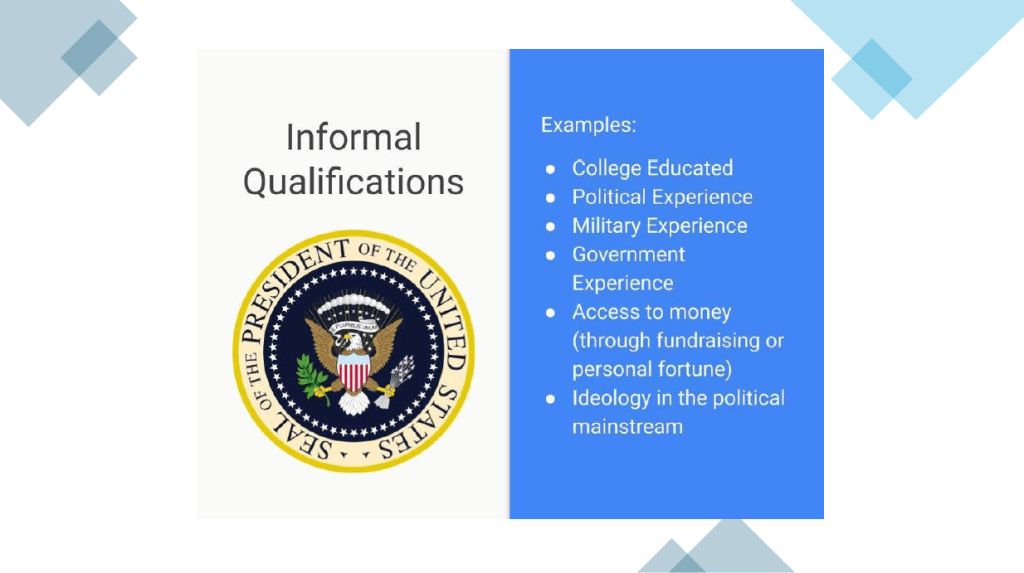
What training is most effective to become president of the United States? We’ve had generals and other military men, lawyers and Governors or Senators. We had high ranking but never elected government official, and a few businesspeople.
Our form of government laid out in the constitution is founded on mistrust, grounded in Enlightenment philosophy, predicated on the idea that compromise is necessary.
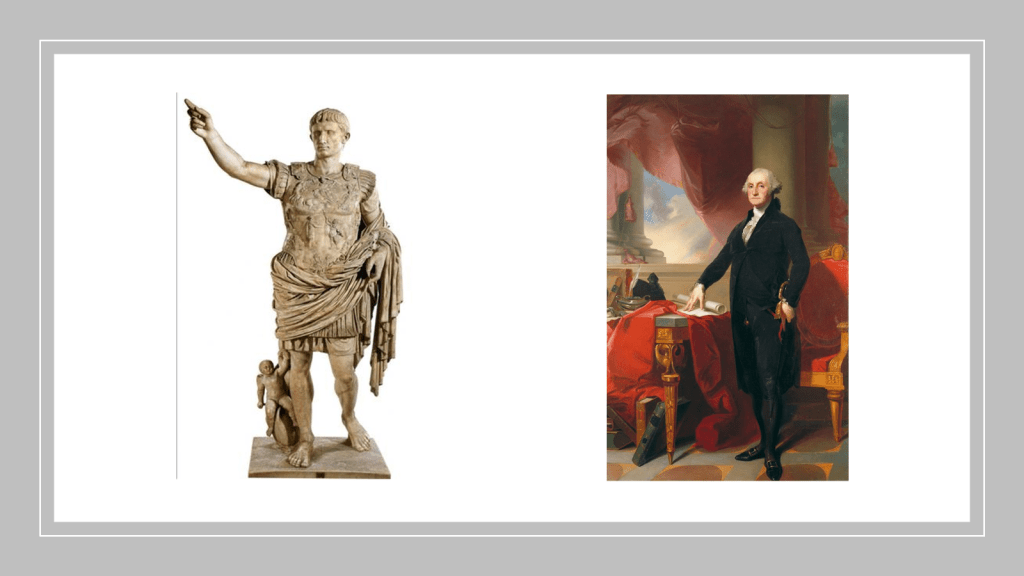
It takes a big man to put aside his plans or take a reprimand in stride for the sake of the whole country. There must be a little chess strategy in there, a little strong arm, and some cunning. Most importantly is the need to put the country’s welfare above his own. Using Romulus as a model, a good leader would put aside his business to serve the republic and afterward return to repair and rebuild.
This was the ideal the founders shared and carried with them into the oval office. At the top of that list of virtuous public servants was George Washington. He wasn’t the only one, however. John Adams left his law practice, Jefferson left Monticello, even Jimmy Carter let his peanuts rot while he served his four-year term in Washington.
John Quincy was cut from the same cloth. Trained as lawyer he spent most of his life in government service. He started his education at the University of Leyden in the Netherlands while his dad and future second President John Adams was negotiating the Treaty of Paris. Returning to the states he earned a degree at Harvard, America’s most prestigious educational institution. In 1787, at the age of twenty, he read the law and set up his practice. His experience in Europe as secretary to his dad and his desire to serve his country led him into public service.
Serving in a series of diplomatic posts in Europe, places where the new United States needed friends, Washington gave him his first posting in the Netherlands in 1794. He did a good enough job that he earned additional posts by the second and third presidents leading to plenipotentiary duties for the next twenty years in Portugal, Germany (Prussia) Russia and the United Kingdom. Nominated for the Supreme Court in 1811, although he turned it down.
He headed the commission that negotiated the Treaty of Ghent ending the War of 1812. He built strong relationships with Russia and the czar that led to the Oregon Territory passing to the United States (Russia had claim to it at that time.) Between 1803 and 1808 in a break between his diplomatic posts, Massachusetts sent him to the U.S. Senate. During his five years he learned the ways of the upper house and where the regional divisions were.
As the country was striving to find its way in a European world that had no value for a new country the first few presidents forged routines of the office and the Executive branch. During this time, the Secretary of State emerged as the launching pad for the presidency. Initially the position we know as the top diplomat focused on Indian treaties. The country sought expansion westward into the Mississippi valley, but the land was already occupied. Negotiation between each of the people groups/nations was ever-present. However, as trade increased and American ships became major players in commerce the Secretary of State spent more time dealing with Europeans. John Quincy, with his extensive foreign and domestic service was appointed Secretary of State by President Monroe. In this position John Quincy influenced a significant part of the Monroe Doctrine.
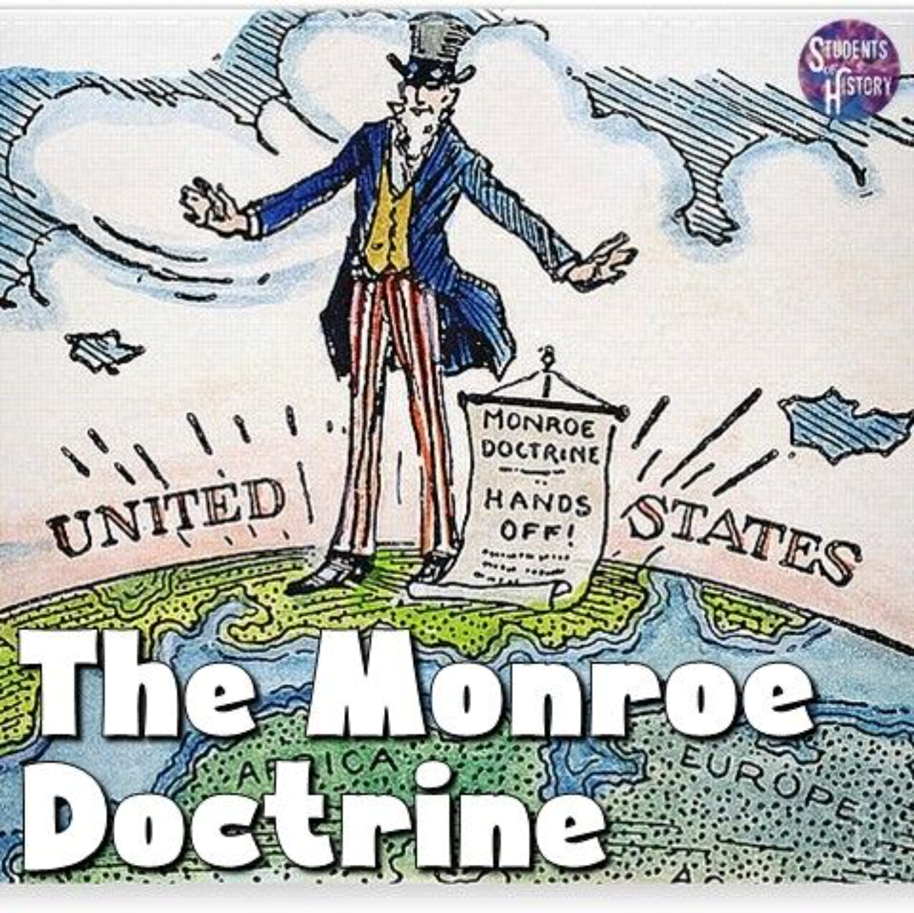
In his role as Secretary of State, he negotiated the Adams-Onis Treaty with Spain which passed Florida to the U.S. and Spain releasing its claim on Oregon. By 1824, building on his relationships and work with Russia, he forged an agreement whereby Russia accepted the United States claim to Oregon leaving only the US and Great Britian to fight over eventual ownership of the pacific northwest.
Perhaps you would agree with me in identifying John Quincy as extremely qualified to become president. His election to the highest office in the land put a known and predictable person in the White House. As a former Senator and cabinet member he understood how to compromise with Congress. In addition, he was familiar with the ceremonial aspects of the office. As a former diplomat and Secretary of State who spoke and read seven languages, he was at home with foreign affairs and had cultivated relationships with leaders and diplomats in Europe and on the continent.
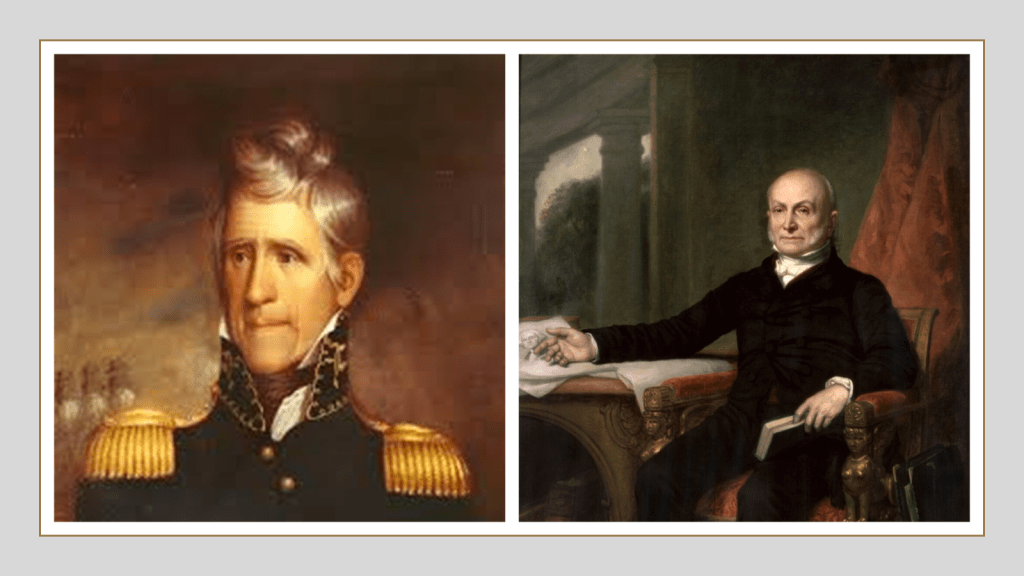
In spite of his vita, his election was far from certain. His was the first election to go to the House of Representatives. The manner of his election was one of the factors that resulted in him being a one-term president. In 1824 no single candidate received a majority of Electoral College votes. In cases like this the decision passes to the House of Representatives where each state gets one vote. Andrew Jackson, hero of the Battle of New Orleans, received 99 electors with John Quincy Adams a close 84. The remaining two candidates were William Crawford with 41 and Henry Clay with 37. In the House, Clay threw his support to Adams resulting in his one vote victory. Rumors of a backroom deal surfaced when Adams appointed Clay as Secretary of State. The Jackson campaign dubbed the incident a “corrupt bargain” as Clay had been shopping a position for his support having initially approached Jackson for the deal he eventually received from Adams. While the “corrupt bargain” had political traction there is no proof a deal was in fact made with Adams.
In spite of his experience, the opposition made sure the Adams presidency would be ineffective. Added to the unrelenting actions against the new administration was the reality that neither the Federalists, Adams party of origin, nor the Whigs, born out of the Federalist’s ashes, controlled Congress. Any agenda Adams wished to carry out was crushed by the Democratic Republicans, Jackson’s party. The reality Jackson and his party understood but Adams didn’t was the effectiveness of political parties in the new post-founder’s climate. Adams considered the office of the presidency to represent all Americans regardless of their political affiliation. Jackson, on the other hand, only catered to the people and policies that aligned with the Democratic party. Consequently, Adams was a one and out president. So much for pre-presidential qualifications.
But his service to the country wasn’t done. Humbled by his failure to secure a second term, like his father, John Quincy returned to Massachusetts to restart his law practice (there was no post presidential pension in his day) and teach. The citizens of his congressional district had other plans, and they sent him back to congress. John Quincy Adams became the first former president to serve in Congress after his time in the oval office. It is his service as a congressman that is best remembered. The issue of slavery galvanized Adams’ actions in the twilight of his career. According to the Bill of Rights Institute, “In 1836 Henry Laurend Pickney of South Carolina offers a resolution stating that the House of Representatives would table any petition that mentioned slavery and ban any discussion or referral of it to committees. In effect, the resolution was a gag rule that would prevent the reception and consideration of any petition protesting slavery. In May, the House passed the resolution by a vote of 117 to 68.” (https://billofrightsinstitute.org/essays/john-quincy-adams-and-the-gag-rule/). The Doctrine of States Rights originally proposed by Jefferson had become the way to do business for the Democrats-mainly a Southern party and protectors of the institution of slavery. With a series of laws and compromises, the Missouri Compromise specifically, Democrats had not only turned the government into enforcers of the Fugitive Slave Act, but they also forbid the subject of slavery from coming up in Congress.
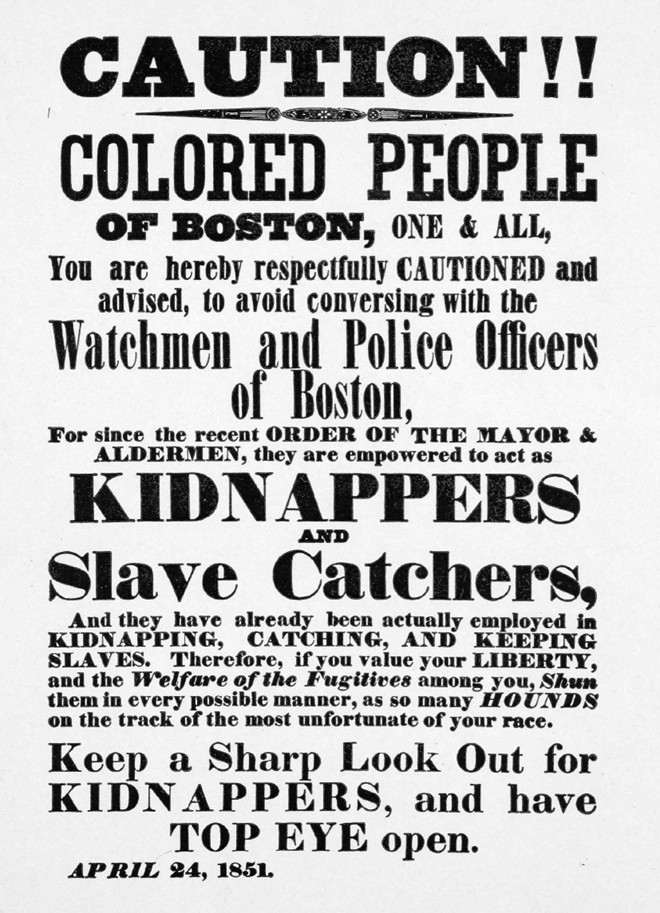
In a move that would get him cited in Kennedy’s “Profiles of Courage,” Adams defied the rule by reading letters from citizens seeking redress from actions related to slavery. Citing the Constitutions right of citizens to petition the government, Adams spent hours reading letters on the floor of the House. While this didn’t remedy the prohibition of creating and passing legislation due to the gag rule, Adams kept the issue alive. Efforts by Southern congressman to censure him were unsuccessful.
As you can imagine, his work of bringing the injustice of slavery to Congress gave him a reputation. When a group of slaves were imprisoned for a munity onboard the slaver La Amistad during the Middle Passage, Adams was called upon to defend them in an original jurisdiction case before the Supreme Court. His efforts were successful and the Africans were granted their freedom and given permission to sail back to Africa. This case along with his actions in Congress to expose the tyranny of slavery had a greater impact than his time in the White House.
Many of us won’t find it hard to understand the platform presented to a past president. Jimmy Carter, elected in the aftermath of Watergate for a single term, had a far larger impact after his term in the White House. Using his nonprofit Carter Center his successful efforts around the world centered on diplomatic conflict resolution, efforts to foster free and fair elections around the world, human rights advocacy, eradication of disease (his efforts led to ending Guinea worm disease, and eliminated river blindness in many countries) he also resolved conflicts in Haiti, Bosnia, Ethiopia. For his efforts the Nobel Peace Prize was awarded to him in 2002.
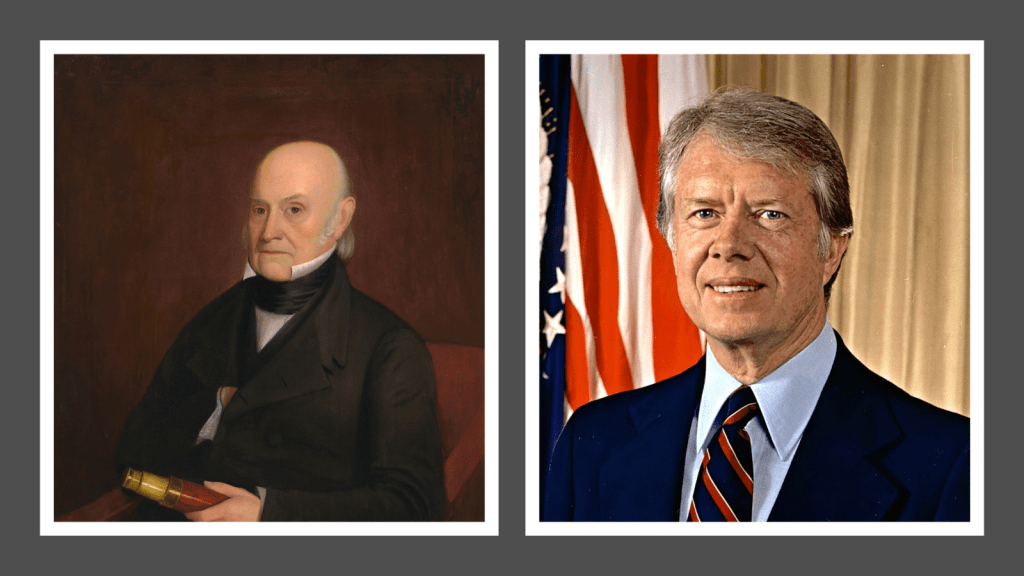
What made John Quincy Adams a highly qualified candidate and did those qualifications make him an effective president? His qualifications as a representative of the newly formed United States of America in foreign affairs required both knowledge of the American style of government and a vision of a united country. His time in the Senate allowed him to see the division between the states due to the property/slavery issue. He gained experience in the executive branch as secretary of state. As a lawyer and son of one of the founders, he was aware of the ideals held by the drafters of the Declaration and Constitution. He understood the dream of a united and party-free federal government. He understood the importance of facts and the need for compromise. He would have had my vote.
Unfortunately, he was not prepared for the hyper-politicized world of the Jacksonian Democrats. Their successful efforts to stand together on the property/slavery issue and their refusal to compromise and “work across the aisle” on any issue was the final nail in Adam’s presidential coffin. His desire to be a national president instead of a president limited to the Whigs prevented him from winning a second term. His final scorecard gets him high marks as a highly qualified candidate, ineffective as president and highly successful in his post presidential actions in Congress and before the Supreme Court.